Clean Your Liver Naturally: A Complete Guide with Yoga and Ayurvedic Herbs

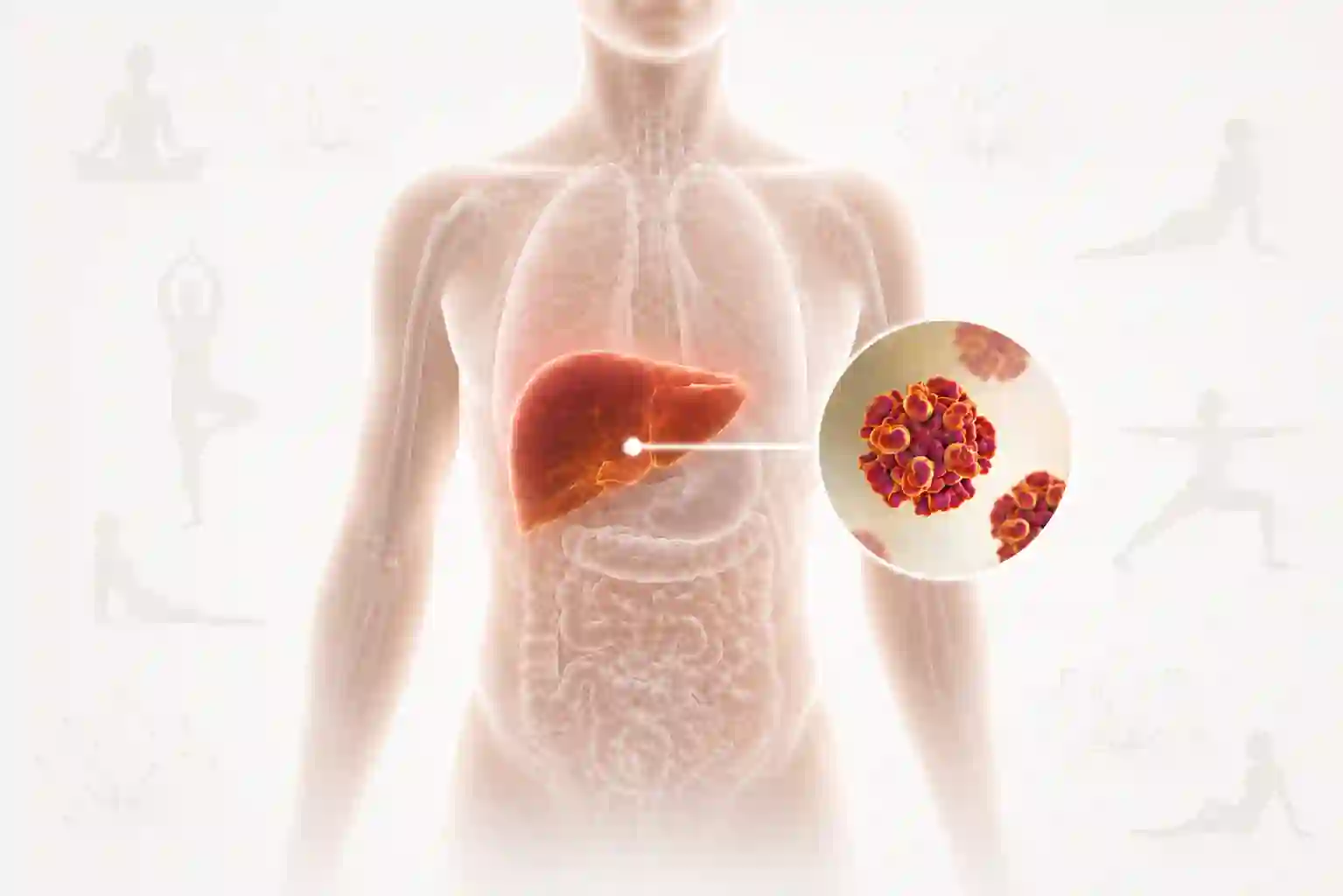
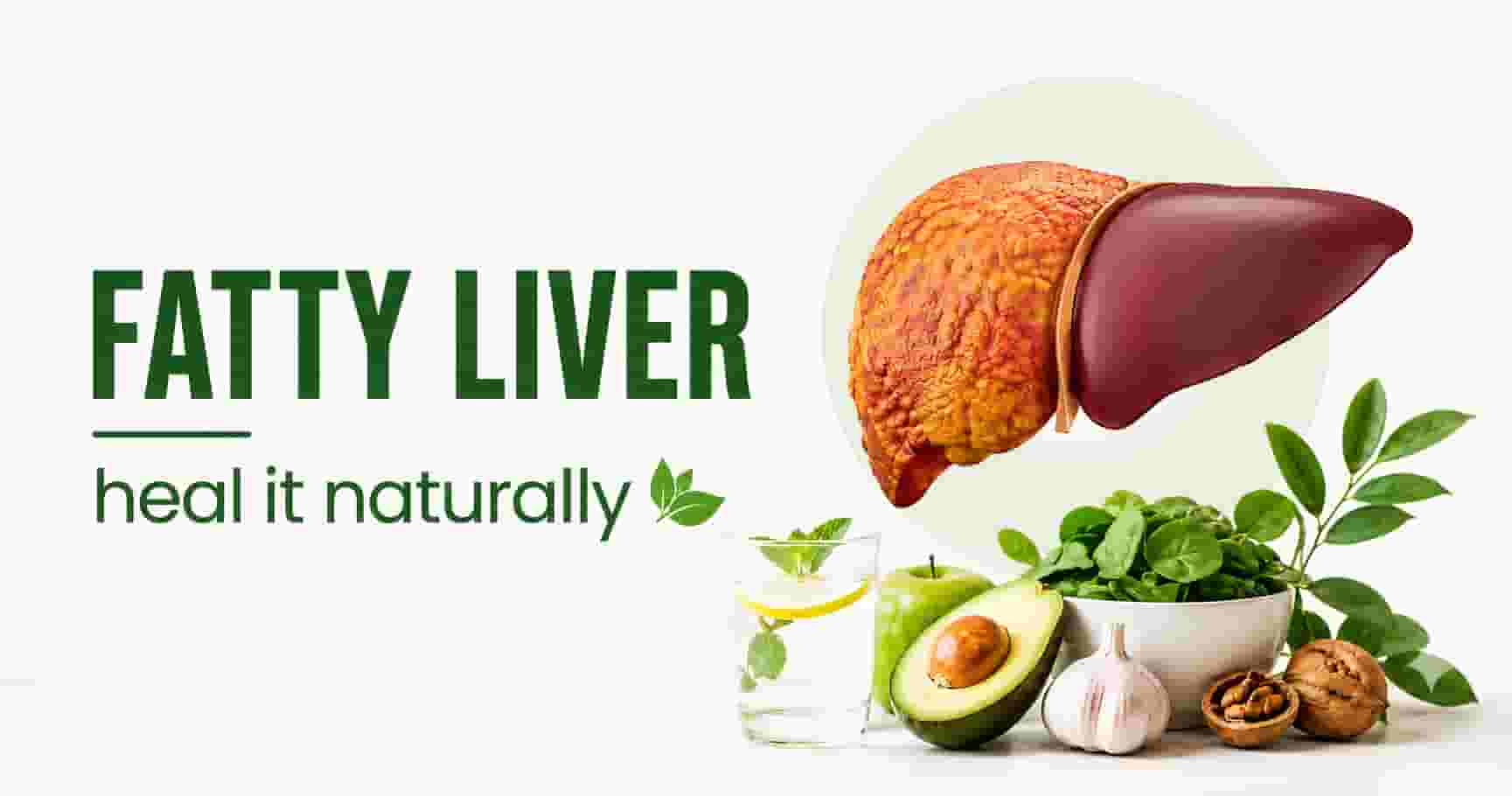
Your liver is like a filter in your body. Every day it cleans your blood, removes poisons, helps digest food, and keeps you energetic. But over time, because of oily food, alcohol, stress, medicines, and pollution, this filter gets dirty and tired.
When your liver is not working well, you may feel:
Always tired and lazy
Bloated or gassy after eating
Skin problems like pimples or yellowish skin
Headaches and mood swings
Weight gain especially around the belly
The good news is that simple yoga and kitchen herbs can slowly clean and heal your liver without expensive treatments.
Nature's Medicine Cabinet: Traditional Herbs and Seeds
Bhumi Amla
Bhumi Amla, also known as Phyllanthus niruri or the Stone Breaker, is one of Ayurveda's most powerful liver herbs. It directly protects liver cells from damage, reduces liver inflammation, and has been clinically studied for its ability to fight the hepatitis B virus. It also helps flush out kidney stones and cools excess heat in the body.
How to use:
Drink two tablespoons of Bhumi Amla juice with water on an empty stomach, or
Take half a teaspoon of its powder with honey daily for four to six weeks
Turmeric
Turmeric, known as Haldi, is the golden queen of Ayurveda. The compound curcumin found in turmeric reduces liver swelling, helps repair damaged cells, and fights free radicals. Adding a pinch of black pepper increases the absorption of turmeric by nearly 2000 percent.
How to use:
Drink warm turmeric milk every night before bed
Always add a pinch of black pepper for best absorption
Milk Thistle Seeds
Milk thistle seeds contain a substance called silymarin, which is so powerful it is used worldwide to treat liver diseases. It repairs damaged liver tissue and protects cells from new damage, making it especially effective for fatty liver and toxin overload.
How to use:
Grind the seeds and take half a teaspoon with warm water every morning
Ajwain (Carom Seeds)
Ajwain is a humble kitchen spice that helps the liver produce digestive enzymes, reduces fat buildup inside the liver, and eases bloating and gas caused by weak digestion.
How to use:
Soak one teaspoon in water overnight
Drink that water on an empty stomach each morning
Cumin Seeds (Jeera)
Jeera water is a classic Ayurvedic detox drink. It activates liver enzymes, reduces inflammation, and improves bile flow which breaks down fat more efficiently.
How to use:
Boil one teaspoon of jeera in two cups of water for five minutes
Sip it warm in the morning
Neem Leaves
Neem is bitter, and that bitterness is medicine. It is one of Ayurveda's strongest blood purifiers. It removes toxins directly from the bloodstream before they even reach the liver, reducing the organ's workload significantly.
How to use:
Chew four to five fresh neem leaves on an empty stomach, or
Mix neem juice with a little honey and drink it
Amla (Indian Gooseberry)
Amla is one of nature's richest sources of Vitamin C. It protects liver cells from oxidative damage, keeps the liver functioning well, and boosts its ability to flush toxins.
How to use:
Eat one fresh amla every morning, or
Drink two tablespoons of amla juice with warm water
Dandelion Root
This common plant, often dismissed as a weed, is actually a powerful liver tonic. It increases bile production which helps digest fat faster, and gently helps the liver flush stored toxins through the digestive system.
How to use:
Drink dandelion root tea once a day
Available as tea bags in most health stores
Flaxseeds
Flaxseeds are rich in fiber and Omega-3 fatty acids. They bind to toxins in the gut and carry them out of the body before they reach the liver. They also reduce liver fat and inflammation over time.
How to use:
Add one tablespoon of ground flaxseeds to your morning yogurt, smoothie, or salad
Herbs for Your Body Constitution (Dosha)
According to Ayurveda, every person has a unique body constitution made of three energies called Vata, Pitta, and Kapha. Each body type has different liver tendencies and responds best to different herbs. Understanding your dosha helps you choose the most effective herbs for your body.
Vata Dosha (Air and Space)
Vata people are usually thin, creative, and quick-thinking, with dry skin and cold hands. Liver problems in Vata types show up as gas, bloating, irregular digestion, constipation, and anxiety. The Vata liver needs warming, nourishing, and grounding herbs.
Best herbs for Vata:
Bhumi Amla — gently cools and nourishes the liver without being too drying
Turmeric with Ghee — deeply nourishing; the fat grounds Vata and improves absorption
Ajwain — warms the digestive system and calms gas and bloating
Warm Jeera Water — kickstarts bile flow and eases constipation
Flaxseeds — nourish the liver and lubricate the dry Vata digestive tract
What Vata types should avoid:
Cold raw foods and long fasting hours
Excess bitter herbs, which can be too drying
Always take herbs with warm water or warm milk, never cold
Pitta Dosha (Fire and Water)
Pitta people are usually medium-built, sharp-minded, and ambitious, with warm skin that flushes easily. The liver is the most Pitta organ in the body because it generates heat. Pitta liver problems include inflammation, acidity, skin rashes, irritability, and even jaundice. The Pitta liver needs cooling, bitter, and anti-inflammatory herbs.
Best herbs for Pitta:
Bhumi Amla — the number one herb for Pitta liver; strongly cools and reduces liver heat and inflammation
Amla — reduces acidity and protects the liver from heat damage
Neem — the most cooling blood purifier; removes excess Pitta heat from liver and skin
Dandelion Root — cooling and bitter; reduces Pitta while gently increasing bile flow
Milk Thistle Seeds — silymarin is especially effective for Pitta inflammatory liver conditions
What Pitta types should avoid:
Hot spices like chilli and mustard in excess
Alcohol, which is strongly Pitta-aggravating
Very high doses of turmeric
Always take herbs with cool or room-temperature water, never hot
Kapha Dosha (Earth and Water)
Kapha people are usually heavier-built, calm, and strong, with oily skin and a slow metabolism. Liver problems in Kapha show up as fatty liver, sluggish digestion, excess mucus, weight gain, and feeling heavy after meals. The Kapha liver needs heating, stimulating, and fat-cutting herbs.
Best herbs for Kapha:
Turmeric — strongly cuts liver fat and reduces Kapha buildup; take with warm water and black pepper
Ajwain — hot and pungent; breaks down liver fat and fires up slow Kapha digestion
Hot Jeera Water — stimulates sluggish liver enzymes in Kapha types
Neem — clears mucus and toxin buildup from a congested Kapha liver
Milk Thistle Seeds — particularly effective for Kapha's tendency toward fatty liver
What Kapha types should avoid:
Sweet, heavy, and oily foods
Sleeping after meals
Cold water and excess dairy
Moving the body after eating is especially important for Kapha liver health
Tridosha (Balanced or Mixed Constitution)
If all three doshas are present in equal measure, or if you are unsure of your type, the following herbs are safe and beneficial for everyone and make the perfect starting point.
Best herbs for Tridosha:
Bhumi Amla — perfectly balancing for all three doshas; safe for everyone in every season
Amla — universally balances all doshas; cools Pitta, nourishes Vata, and reduces Kapha
Turmeric — works for all body types in moderate amounts
Flaxseeds — gentle on all doshas; provides fiber, Omega-3, and gut cleansing
Milk Thistle — the world's most researched liver herb; safe for long-term use by anyone
Yoga Poses for Liver Detox
Certain yoga poses gently squeeze and massage the internal organs, boosting blood flow to the liver and helping it flush out toxins faster.
Kapalbhati Pranayama
This is the number one yoga practice for liver health. The rapid breathing movements massage the liver, pancreas, and digestive organs from the inside.
How to do it:
Sit comfortably with your back straight
Take a deep breath in
Breathe out forcefully through your nose while pulling your belly inward
Do this thirty to fifty times, then rest and repeat
Practice for five to ten minutes every morning on an empty stomach
Dhanurasana (Bow Pose)
This pose puts healthy pressure on the liver and stomach and stimulates digestion and detox.
How to do it:
Lie flat on your stomach
Bend your knees and hold your ankles with both hands
Lift your chest and legs off the ground
Hold for fifteen to twenty seconds while breathing normally
Ardha Matsyendrasana (Seated Twist)
Twisting poses work like wringing out a wet cloth, squeezing toxins out of the liver and improving organ function.
How to do it:
Sit on the floor with legs stretched out
Bend one knee and cross it over the other leg
Twist your upper body toward the bent knee
Hold for thirty seconds on each side
Balasana (Child's Pose)
This pose gently compresses the belly, sends fresh blood to the liver, and reduces stress, which is a major cause of liver damage.
How to do it:
Kneel on the floor and sit back on your heels
Slowly bend forward with arms stretched in front
Rest your forehead on the mat
Stay for one to two minutes breathing deeply
Paschimottanasana (Seated Forward Bend)
This stretch tones the liver and kidneys and improves digestion.
How to do it:
Sit with legs straight in front of you
Breathe in and reach your arms up
Breathe out and slowly bend forward trying to touch your toes
Hold for thirty to sixty seconds
Anulom Vilom (Alternate Nostril Breathing)
This breathing practice regulates the nervous system, reduces liver-damaging stress hormones, and balances all three doshas.
How to do it:
Close one nostril and breathe in slowly
Switch and breathe out through the other nostril
Continue alternating for five to ten minutes
Simple Daily Liver Detox Routine
On waking: Drink one glass of warm lemon water
Empty stomach: Chew neem leaves or drink Bhumi Amla juice with warm water
Before breakfast: Practice Kapalbhati Pranayama for five to ten minutes
At breakfast: Add ground flaxseeds to your food and eat one fresh amla
Mid-morning: Sip warm jeera water or ajwain water
Evening: Practice yoga poses for twenty to thirty minutes
Before bed: Drink warm turmeric milk with black pepper and aim to sleep by ten-thirty
What to Avoid
Alcohol and smoking — among the most damaging things for the liver
Fried, oily, and processed foods
Too much sugar and cold drinks
Excess medicines without a doctor's advice
Sleeping very late at night — the liver repairs itself between eleven at night and three in the morning
Chronic stress — silently damages the liver over time and should be managed through breathing, yoga, and rest
The Most Important Habit of All
No herb or yoga pose works well if you are dehydrated. Drink eight to ten glasses of plain water every day. Your liver uses water to dilute and flush out toxins. This single habit alone can bring noticeable improvement in your energy, digestion, and skin within just a few weeks.
Final Words
You do not need to do everything at once. Start with just one herb and five minutes of Kapalbhati and slowly build the habit. Within a few weeks, you will feel lighter, more energetic, and your digestion will improve. Nature has given us everything we need. We just have to use it wisely.
A healthy liver is the foundation of a healthy life.
This article is for educational purposes only. Always consult a qualified Ayurvedic practitioner or doctor before starting any new health routine, especially if you have an existing liver condition, are pregnant, or are on medication.