5 Best Asanas to Help Manage High Blood Pressure Naturally

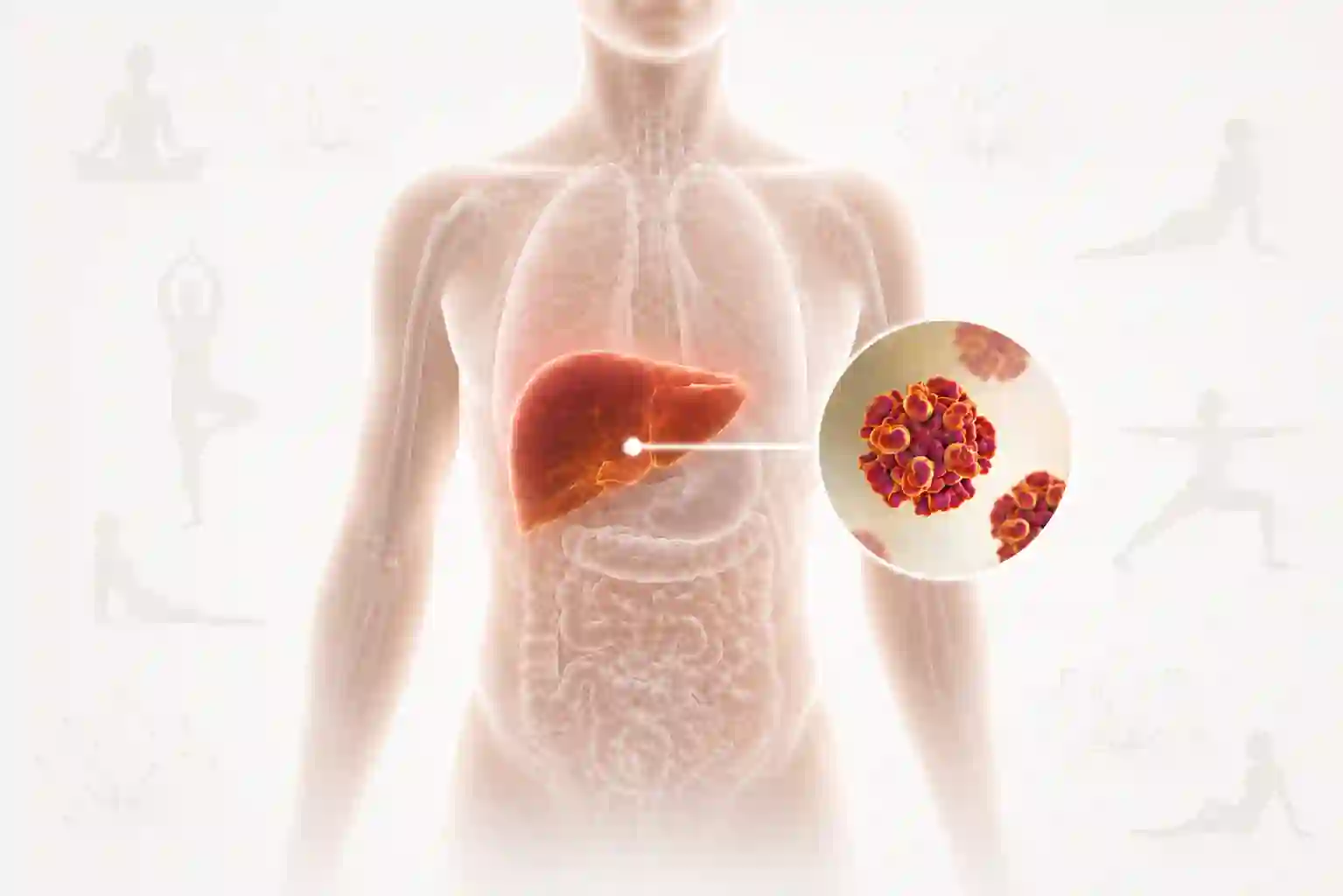
High blood pressure, also known as Hypertension, is often called the “silent killer” because it may show no obvious symptoms while quietly affecting the heart, kidneys, and blood vessels. Along with medical guidance, a balanced diet, regular movement, stress reduction, and healthy sleep habits, yoga can be a gentle and effective way to support blood pressure management.
Yoga helps calm the nervous system, reduce stress hormones, improve circulation, and encourage mindful breathing—all of which may contribute to healthier blood pressure levels.
Here are five of the best yoga asanas that may help manage high blood pressure safely.
1.
Balasana
(Child’s Pose)
Balasana is a deeply restorative pose that relaxes the body and quiets the mind. It helps release tension in the shoulders, back, and nervous system.
How to Do It:
Kneel on the mat with big toes touching.
Sit back on your heels.
Fold forward and stretch your arms ahead or beside the body.
Rest your forehead on the mat.
Breathe slowly for 1–3 minutes.
Benefits:
Reduces stress and anxiety
Promotes relaxation
Helps slow heart rate
2.
Viparita Karani
(Legs-Up-the-Wall Pose)
This gentle inversion improves circulation and encourages total relaxation.
How to Do It:
Sit sideways next to a wall.
Lie down and swing your legs up the wall.
Keep arms relaxed beside you.
Close your eyes and breathe deeply.
Stay for 5–10 minutes.
Benefits:
Calms the nervous system
Reduces fatigue
Supports healthy circulation
3.
Sukhasana
with Deep Breathing
A simple seated posture combined with mindful breathing can significantly reduce stress levels.
How to Do It:
Sit cross-legged comfortably.
Keep spine straight and shoulders relaxed.
Place hands on knees.
Inhale deeply through the nose.
Exhale slowly and completely.
Continue for 5 minutes.
Benefits:
Lowers stress response
Improves focus
Encourages slower breathing patterns
4.
Setu Bandhasana
(Bridge Pose)
Bridge Pose opens the chest, improves circulation, and helps reduce mild stress.
How to Do It:
Lie on your back with knees bent.
Feet hip-width apart.
Press feet into the floor.
Lift hips gently upward.
Hold for 20–30 seconds while breathing normally.
Benefits:
Strengthens back and legs
Opens chest and lungs
May reduce tension
5.
Shavasana
(Corpse Pose)
Shavasana is one of the most effective relaxation poses for stress-related high blood pressure.
How to Do It:
Lie flat on your back.
Arms slightly away from body.
Palms facing upward.
Close your eyes.
Relax each body part consciously for 5–10 minutes.
Benefits:
Deep relaxation
Reduces anxiety
Supports nervous system recovery
Important Safety Tips
If you have uncontrolled Hypertension, dizziness, heart disease, or any medical complications, consult your doctor before starting yoga. Avoid intense inversions, breath retention, or strenuous poses unless guided by a qualified instructor.
Final Thoughts
Yoga is not a replacement for medication, but it can be a powerful companion to medical treatment. Practicing these five calming asanas regularly may help reduce stress, improve circulation, and support healthier blood pressure naturally.
Consistency matters more than intensity—just 15–20 minutes daily can make a meaningful difference.

Written by
Niraj Shukla
Expert in Yoga Therapy, Pranayama, Meditation & Philosophy | Postgraduate degree in Yoga Science and Philosophy | Specializing in holistic well-being |