The Best Exercises for Blood Sugar Control

Tame the Sugar Storm Inside Your Body
What yoga and modern science both agree on — and how the right movement becomes your best medicine
“Sthira sukham āsanam” — The posture should be steady and comfortable. The same wisdom applies to your blood sugar: not too high, not too low — just beautifully balanced.
— Patanjali, Yoga Sutras 2.46
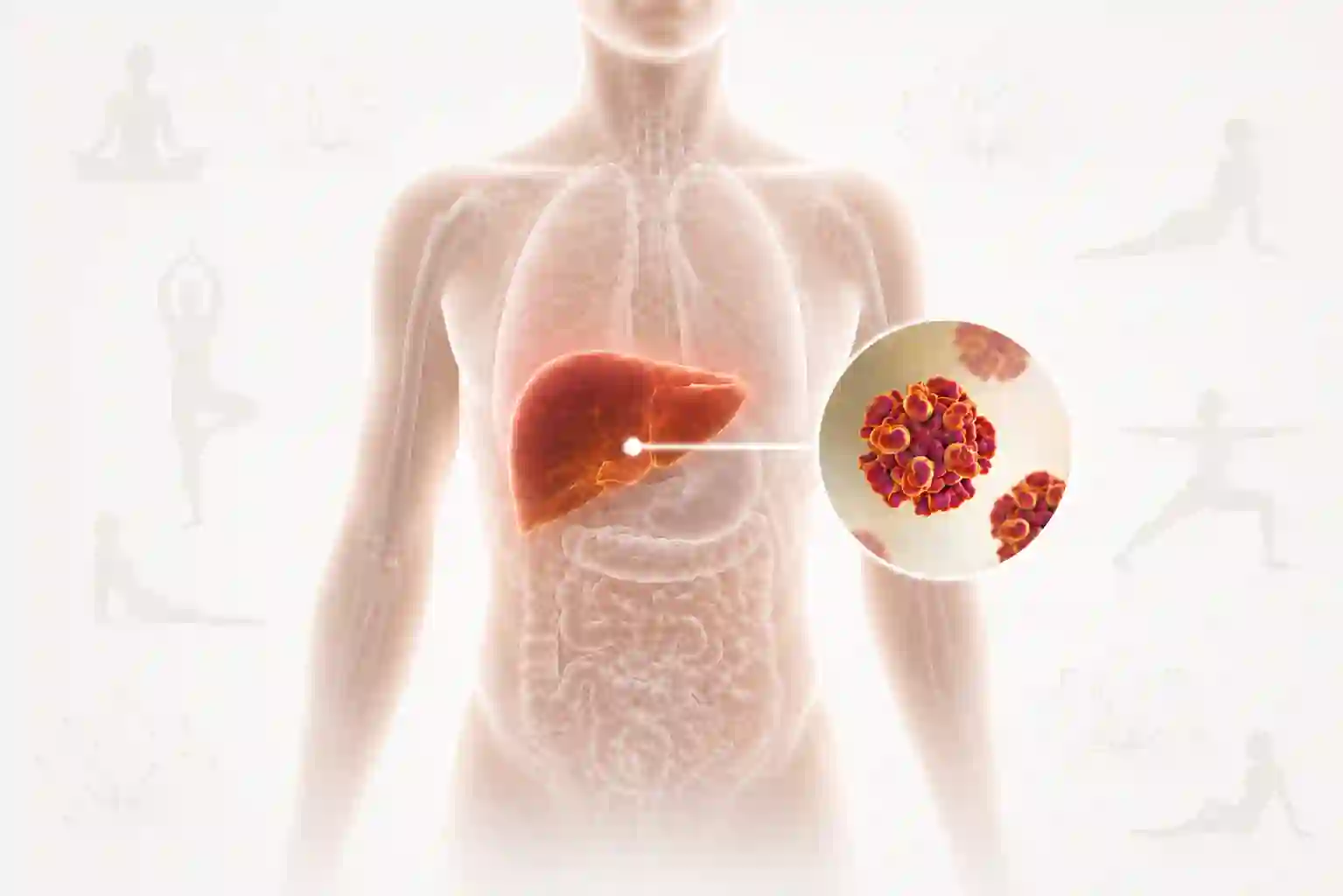
Imagine your bloodstream as a river. After every meal, sugar (glucose) flows into this river. When the river moves smoothly — not too fast, not too slow — your whole body gets nourished. But when sugar floods in faster than the body can use it, the river starts overflowing. Cells get stressed, energy crashes, and over time this imbalance turns into high blood sugar.
Now here’s the beautiful truth: movement is one of the most powerful natural tools we have. The right kind of exercise opens tiny “gates” inside your muscles, helping them pull glucose out of the blood and use it as clean fuel. No prescription needed.
In yoga, we call this Agni — the inner fire of transformation. Exercise keeps that fire alive and balanced. Let’s understand how.
1. Aerobic Exercise — The Glucose Sweeper
Think of aerobic exercise — walking, swimming, cycling, dancing — as a broom that sweeps extra sugar out of your bloodstream. When your muscles move continuously for several minutes, they start pulling glucose directly from the blood for energy, even without needing extra insulin.
Yogic Analogy:
In yoga, Surya Namaskar (Sun Salutation) is practised as a flowing, rhythmic sequence. Every round feels like one steady sweep of that broom — smooth, energising, and cleansing. The breath moving with the body itself becomes a form of aerobic exercise.
A simple 10–15 minute walk after meals is one of the easiest and most research-backed ways to prevent a blood sugar spike. You don’t need to run marathons. You simply need to give your muscles something useful to do right when glucose enters the bloodstream.
Best practices:
Fast walking, swimming, cycling, jogging, dancing
Post-meal walks — one of the best daily habits for blood sugar
Aim for 150 minutes per week (about 20–25 minutes daily)
Surya Namaskar (10–12 rounds) counts as moderate aerobic activity
2. Strength Training — The Bigger Bucket
Here’s an analogy that changes everything: your muscles are like buckets that store glucose. If the buckets are small and few, sugar spills into the bloodstream. But when you build muscle through strength training, you create bigger and more buckets — giving glucose a safe place to go.
Strength training may not lower blood sugar as quickly as a brisk walk. Sometimes it can even raise it briefly. But over time, it becomes a complete game changer. This is why a stronger, more muscular body handles food much better than a sedentary one.
Yogic Analogy:
Postures like Utkatasana (Chair Pose), Virabhadrasana (Warrior Pose), and Chaturanga are strength-building and weight-bearing. Holding these poses builds deep muscle endurance. Every second you stay in Warrior II, you are slowly enlarging those glucose buckets.
Best practices:
Weightlifting, bodyweight exercises, resistance bands
Yoga asanas held with strength — Chair Pose, Warrior, Plank, Bridge Pose
Train 2–3 times per week with rest days between sessions
Results take time — trust the process, just like a steady yoga practice
3. HIIT — The Controlled Storm
HIIT (High-Intensity Interval Training) is like a controlled storm. Short bursts of intense effort — sprints, jump squats, fast cycling — followed by rest periods.
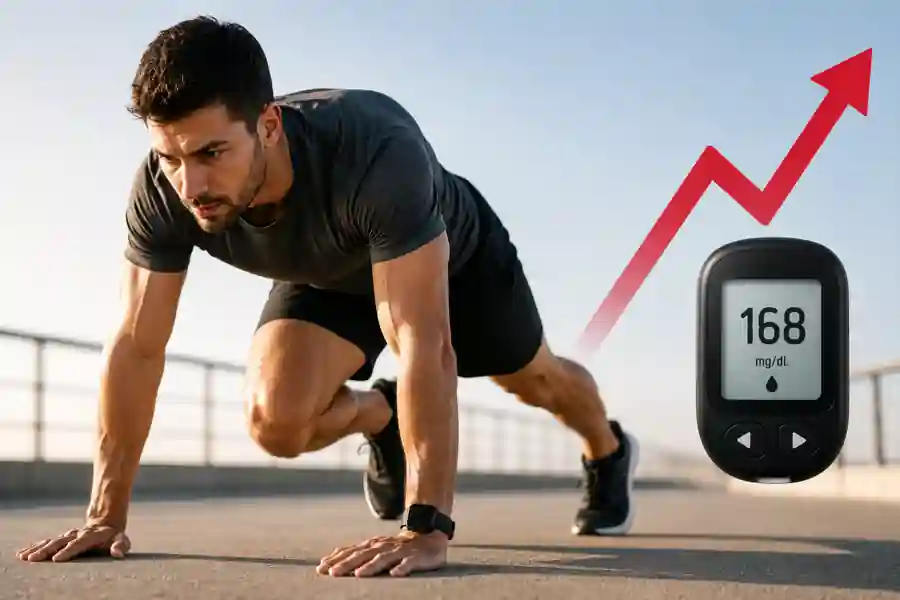
During intense exercise, blood sugar may rise temporarily because adrenaline signals the liver to release emergency glucose. That’s completely normal. What happens afterward is the real magic: your body enters a prolonged phase of glucose cleanup that can continue for hours.
Yogic Analogy:
Think of Kapalabhati — the breath of fire. Short, forceful exhales followed by natural recovery breaths. It creates intensity for a moment, then settles into calmness. HIIT follows the same rhythm: effort and ease.
The yogic principle here is important: always finish intense exercise with calmness. A slow walk, gentle stretching, or a few minutes of Shavasana acts like a slow exhale for the body and helps blood sugar settle smoothly.
Best practices:
Short sprints, jump squats, cycling intervals, or fast Surya Namaskars
A temporary sugar spike is normal — don’t panic
End every intense session with 5–10 minutes of easy walking or Shavasana
The long-term metabolic benefits are worth the short-term spike
4. Combination Training — The Yin-Yang Formula
Yoga has always understood balance: ha (sun, effort) must be balanced by tha (moon, ease). Hatha Yoga itself means the union of opposites. The same principle applies beautifully to blood sugar management.
When you combine strength training with aerobic movement in the same session — for example, weights followed by walking — the glucose-raising effect of strength work gets balanced by the glucose-lowering effect of cardio. Together, they work better than either one alone.
Yogic Analogy:
A good yoga class already follows this pattern. Dynamic Vinyasa creates heat and strength, while slower restorative poses cool and balance the body. Your blood sugar responds best to the same rhythm: intensity followed by relaxation.
Best practices:
Do strength work first, cardio second
Combine standing power poses with flowing yoga sequences
Even a simple 30-minute Hatha Yoga session creates this balance
The Yogic Edge — What Modern Science Is Only Just Discovering
Beyond physical exercise, the yogic tradition offers practices that directly calm the cortisol storm — the chronic stress response that can raise blood sugar even without eating. These are not alternatives to exercise; they are powerful additions.
Nadi Shodhana (Alternate Nostril Breathing)
Proven to lower cortisol and stabilise the nervous system — both deeply connected to blood sugar regulation. Practise for 5–10 minutes daily, ideally before meals.
Kapalabhati (Breath of Fire)
Stimulates the pancreas, activates core muscles, and may improve insulin response over time. Start gently with 30 rounds each morning.
Yoga Nidra (Yogic Sleep)
Deep rest that helps reset stress hormones responsible for nighttime glucose spikes. A 20-minute session before bed can feel deeply restorative.
Surya Namaskar (Sun Salutation)
A 12-round morning practice that combines cardio, strength, flexibility, and breathwork — all in one complete sequence.
Twisting Asanas
Poses like Ardha Matsyendrasana (Seated Twist) are believed in Ayurveda to massage the pancreas and stimulate digestive Agni. Include at least one twisting posture in every practice.
Shavasana (Corpse Pose)
Don’t skip this part. Recovery is when the body continues processing and balancing glucose. Shavasana is where the transformation settles in.
Guidelines by Age and Stage of Life
In Ayurveda, life is divided into Kapha (childhood), Pitta (adulthood), and Vata (elder years). Movement recommendations beautifully reflect this wisdom.
Children and Teens (Kapha stage)
At least 60 minutes of active movement daily — running, jumping, games, sports, playful yoga. Bone and muscle strengthening activities at least 3 days a week.
Adults (Pitta stage)
150 minutes of aerobic activity weekly plus 2–3 strength sessions. Daily Surya Namaskar makes an excellent foundation practice.
Older Adults (Vata stage)
Gentle cardio, balance training, and light resistance work. Yin Yoga, Restorative Yoga, and mindful walking are ideal.
A Final Word — Svadhyaya, Know Thyself
Every body is different. The same exercise that lowers blood sugar for one person may temporarily raise it for another. The yogic answer is Svadhyaya — self-awareness and observation.
Check your glucose before and after movement. Notice how your body responds. Over time, you become the best expert on your own inner landscape.
Blood sugar control is not about punishing your body.
It is about learning to work with your body — keeping your inner fire bright, balanced, and steady.
Walk after meals.
Build strength patiently.
Breathe deeply every day.
Rest with intention.
Written by
Niraj Shukla
Expert in Yoga Therapy, Pranayama, Meditation & Philosophy | Postgraduate degree in Yoga Science and Philosophy | Specializing in holistic well-being |