
Yoga & Meditation for Hepatitis — A Tridosha Perspective
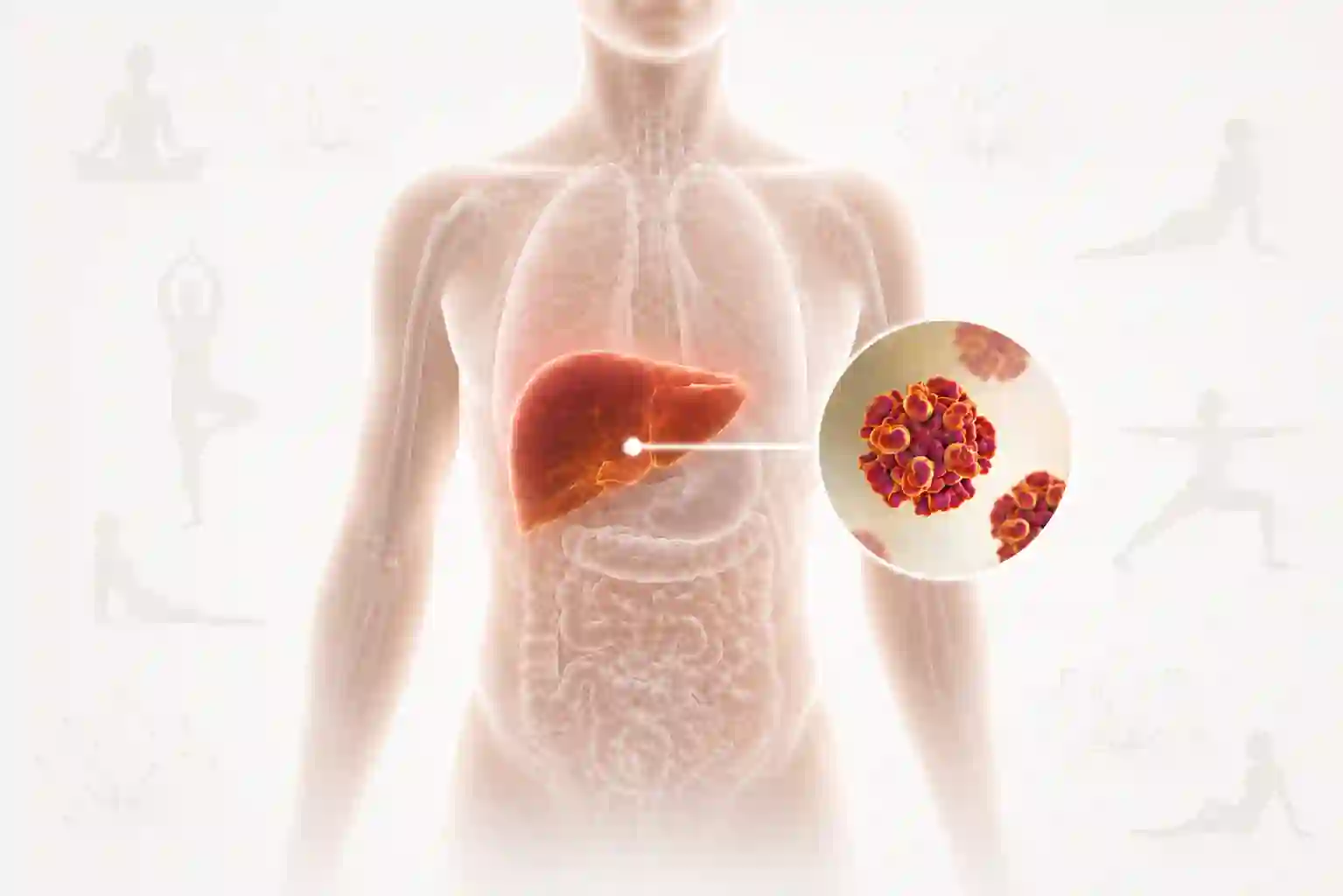
Hepatitis — the inflammation of the liver — is one of the most globally prevalent conditions, affecting hundreds of millions across all age groups. Whether viral (Hepatitis A, B, C, D, or E), alcoholic, or autoimmune in origin, this condition places a profound burden on the body's metabolic engine.
While modern medicine offers antiviral therapies and supportive treatments, there is growing recognition that integrative approaches — particularly rooted in Yoga and Ayurveda — can meaningfully support liver recovery, regulate immunity, reduce inflammation, and restore overall vitality.
Ayurveda views the liver (Yakrit) as the primary seat of Ranjaka Pitta, the sub-dosha responsible for haematopoiesis, bile production, detoxification, and metabolic transformation. Hepatitis, in this framework, is not merely an organ-level disease — it is a disruption of Tridoshic harmony involving Pitta aggravation, Kapha stagnation, and Vata derangement. Yoga and meditation, therefore, are not generic wellness tools here; they are doshic medicines — precisely calibrated to restore the body's inner intelligence.
Understanding Hepatitis Through the Tridosha Lens
The Tridosha theory — Vata, Pitta, and Kapha — forms the bedrock of Ayurvedic physiology. Each Dosha governs distinct biological functions, and their imbalance manifests as disease. In hepatitis, all three Doshas are implicated, though in varying proportions depending on the type and stage of the condition.
Pitta (Fire + Water) — Primary Imbalance
Pitta governs bile production, digestion, and metabolism. It is the dominant dosha in hepatitis. Aggravated Pitta causes:
Jaundice and yellowing of the skin
Fever and burning sensations
Nausea and acid reflux
Acute liver inflammation
Kapha (Earth + Water) — Chronic Factor
Kapha governs bodily structure, mucus, and immunity. In chronic hepatitis, aggravated Kapha leads to:
Hepatic fibrosis and hardening of liver tissue
Hepatomegaly (enlarged liver)
Oedema and fluid retention
Lethargy, heaviness, and compromised bile flow
Vata (Air + Ether) — Secondary Derangement
Vata governs movement, nerve signalling, and elimination. Aggravated Vata in hepatitis manifests as:
Abdominal pain and bloating
Irregular digestion and gas
Anxiety, restlessness, and insomnia
Generalised weakness and fatigue
The therapeutic strategy of yoga in hepatitis is therefore threefold: cool and pacify Pitta, stimulate and mobilise Kapha, and ground and calm Vata. This framework guides every asana, pranayama, and meditation practice in this protocol.
Yoga Asanas for Hepatitis — A Doshic Approach
Yoga postures in hepatitis must be selected carefully. The acute inflammatory phase demands rest and mild practices; the subacute and recovery phases allow progressively deeper work. The following asanas address each Dosha systematically.
Pitta-Pacifying Asanas (Anti-Inflammatory)
These postures reduce internal heat, stimulate bile drainage, enhance hepatic circulation, and soothe the nervous system — essential for both acute viral and alcoholic hepatitis.
Balasana (Child's Pose) — Gently compresses the liver region while inducing parasympathetic dominance. Reduces cortisol-mediated inflammation. Hold 1–3 minutes.
Supta Baddha Konasana (Reclining Butterfly) — Opens the abdominal cavity, improves portal circulation, and cools Pitta. Deeply restorative.
Ardha Matsyendrasana (Half Spinal Twist) — The quintessential liver asana. The wringing action detoxifies hepatocytes and improves bile flow. Practise gently, without strain.
Paschimottanasana (Seated Forward Bend) — Stimulates the hepato-splenic axis and reduces Pitta-aggravated digestive fire. Use props to avoid strain.
Viparita Karani (Legs-Up-the-Wall) — Reverses portal venous pressure, reduces liver congestion, and is deeply cooling. Ideal during convalescence.
Kapha-Mobilising Asanas (Anti-Fibrotic and Stimulating)
In chronic hepatitis with Kapha dominance, these postures break stagnation, improve lymphatic drainage, and stimulate hepatic regeneration.
Dhanurasana (Bow Pose) — Provides powerful stimulation of abdominal organs including the liver and gallbladder. Avoid in acute hepatitis; effective in chronic recovery phases.
Ustrasana (Camel Pose) — Opens the thoraco-abdominal cavity, improves diaphragmatic movement, and counters Kapha heaviness.
Navasana (Boat Pose) — Strengthens the abdominal musculature supporting the liver, improves metabolic Agni, and mobilises Kapha.
Surya Namaskar — Modified — A gentle 6-round practice (versus the standard 12) that warms the liver region, stimulates lymph flow, and counters Kapha lethargy.
Vata-Grounding Asanas (Stabilising and Nourishing)
These postures address the anxiety, pain, and systemic weakness typical of acute viral hepatitis where Vata becomes disturbed.
Shavasana (Corpse Pose) — The most important asana for hepatitis. Complete nervous system rest. Practise for a minimum of 15–20 minutes daily.
Tadasana (Mountain Pose) — Grounds Vata, improves posture, and re-establishes gravitational alignment that supports abdominal organ positioning.
Vajrasana (Thunderbolt Pose) — Post-meal sitting that dramatically improves hepatic-portal blood flow and digestive fire (Agni) without exertion.
Pawanmuktasana Series — Wind-relieving postures that address Vata-driven gas, bloating, and spasmodic pain in hepatitis patients.
Pranayama — The Breath as Medicine
In Ayurveda, Prana (vital life force) and Agni (metabolic fire) are intimately linked through the breath. Pranayama practices directly modulate both the Doshas and the autonomic nervous system — making them arguably more therapeutically potent than asana for hepatitis patients.
Sheetali Pranayama (Cooling Breath)
The supreme Pitta-pacifying pranayama. Inhale through a rolled tongue and exhale through the nose. This practice dramatically reduces hepatic inflammation, lowers internal body heat, and soothes the nervous system. Practise 10–15 rounds daily. Note: contraindicated in low blood pressure.
Nadi Shodhana (Alternate Nostril Breathing)
The master balancer of all three Doshas. By alternating nasal channels, this practice harmonises the Ida (cooling, lunar) and Pingala (heating, solar) nadis — calibrating Pitta heat while grounding Vata anxiety and stimulating Kapha-dulled immunity. Practise 5–10 minutes, twice daily.
Bhramari Pranayama (Humming Bee Breath)
The vibration generated activates the vagal parasympathetic pathway, directly reducing systemic inflammation. Particularly powerful for Vata-driven anxiety and insomnia common in hepatitis. The humming resonance also stimulates nitric oxide production, which supports hepatic vascular tone.
Kapalbhati (Skull-Shining Breath) — With Caution
Forceful exhalations stimulate the liver and gallbladder through diaphragmatic pumping, mobilising Kapha and improving bile flow. However, this technique is contraindicated in acute hepatitis, jaundice, and Hepatitis C with advanced fibrosis. Practise only under qualified supervision in chronic, compensated hepatitis.
Diaphragmatic Breathing (Yogic Deep Breathing)
The diaphragm functions as the liver's mechanical masseur — each deep breath creates a 1–3 cm excursion that directly stimulates hepatic tissue. Ten minutes of conscious deep breathing can improve portal blood flow significantly, making it a foundational practice for all hepatitis types.
Meditation Practices for Liver Healing
The liver-brain axis is a clinically established bidirectional pathway. Chronic stress, anxiety, and depression — mediated via elevated cortisol and pro-inflammatory cytokines — directly worsen hepatic inflammation and impair regeneration. Meditation breaks this cycle.
Yoga Nidra (Yogic Sleep)
Perhaps the single most powerful practice for hepatitis patients. A 30-minute Yoga Nidra session induces delta-wave brain states comparable to deep sleep, dramatically reducing IL-6, TNF-alpha, and other pro-inflammatory mediators. The systematic body-scan protocol simultaneously addresses Vata's scattered energy, Pitta's agitation, and Kapha's heaviness.
Trataka (Candle-Gazing Meditation)
Steady gazing at a flame purifies and sharpens Pitta's discerning quality without aggravating its inflammatory aspect. In Ayurveda, Trataka is specifically indicated for liver conditions as it works on Alochaka Pitta (the Pitta of the eyes) and, by resonance, Ranjaka Pitta (the Pitta of the liver).
Mantra Meditation
Repetition of grounding mantras such as Om Namah Shivaya or the primordial Om activates the parasympathetic nervous system, stabilises Vata's erratic movement through the liver channels (srotasas), and reduces cortisol-mediated hepatocyte damage.
Visualisation Healing — The Golden Light Practice
A guided visualisation where patients consciously direct warm, golden healing light to the liver region during deep meditation. Evidence from psychoneuroimmunology confirms that directed attention increases local blood flow and immune cell activity. In Ayurvedic terms, this practice channels Ojas (vital essence) to the depleted liver tissue.
Mindfulness-Based Stress Reduction (MBSR)
The clinical evidence base for MBSR in chronic illness is now substantial. For Hepatitis B and C patients, MBSR programmes have shown measurable improvements in quality of life, fatigue scores, and — importantly — liver enzyme normalisation through stress hormone reduction. This represents a bridge between Ayurvedic wisdom and modern hepatology.
Doshic Dietary Support Alongside Yoga
Yoga practice is most effective when supported by appropriate dietary choices aligned with each Dosha. For hepatitis, this means:
Pitta-pacifying foods: Coconut water, pomegranate, bitter gourd, coriander, fennel, and cooling ghee. Avoid spicy, oily, and fermented foods.
Kapha-reducing foods: Light, warm, well-spiced meals. Turmeric (curcumin) — nature's most potent hepatoprotective compound — at 1–2g daily is strongly recommended.
Vata-grounding foods: Warm soups, cooked root vegetables, and warm milk with ashwagandha. Avoid raw foods, cold drinks, and erratic meal times.
Essential Precautions for Hepatitis Patients
Before beginning any yoga practice, hepatitis patients must observe the following precautions:
Always consult with your yoga consultant/health care professional before beginning yoga, especially in acute viral hepatitis or Hepatitis C with advanced fibrosis or cirrhosis.
Avoid all inversions such as Shirshasana and Sarvangasana during active hepatitis — the combination of increased intra-cranial pressure and portal hypertension creates vascular risk.
Never practise yoga with jaundice, high fever, or severe fatigue. Rest is the primary Ayurvedic medicine in acute phases.
Kapalbhati and Bhastrika (Bellows Breath) are contraindicated in bleeding disorders and oesophageal varices associated with advanced liver disease.
Avoid deep, strong twists and intense abdominal compressions during active hepatitis. Gentle, passive versions only.
Hot yoga, Bikram yoga, and vigorous Ashtanga styles are contraindicated — excess heat aggravates Pitta and stresses the already-burdened liver.
Practise in a cool, well-ventilated space. Early morning or evening sessions are optimal.
Yoga is adjunctive — it supplements but never replaces antiviral medications, liver function monitoring, or specialist hepatology care.
Integrating Yoga With Modern Medical Treatment
The most effective approach to hepatitis is integrative — one that honours both the precision of modern hepatology and the depth of Ayurvedic wisdom. Antiviral treatments such as Tenofovir and Entecavir for Hepatitis B, and Sofosbuvir-based regimens for Hepatitis C, address viral load directly but do little to restore the liver's regenerative capacity, immune balance, or the patient's quality of life.
Yoga and meditation intervene at multiple complementary levels: reducing treatment-related fatigue, improving sleep quality, normalising stress hormones that otherwise impair treatment response, and supporting the epigenetic repair mechanisms that facilitate hepatocyte regeneration.
Studies have demonstrated that patients with chronic Hepatitis C who practised regular yoga showed significantly improved fatigue scores, better mental health outcomes, and in some cases, accelerated normalisation of ALT/AST enzyme levels alongside antiviral therapy — without any adverse interactions.
A practical integration protocol includes morning Yoga Nidra and pranayama for 20–30 minutes, gentle asana practice three times weekly, dietary modification per Doshic assessment, and evening meditation — all maintained alongside regular medical monitoring and specialist care.
Conclusion
Hepatitis demands a healing response as multi-layered as the liver itself. Through the lens of Tridosha theory, yoga and meditation emerge not as generic wellness adjuncts but as sophisticated therapeutic tools — cooling the Pitta fire of inflammation, mobilising the Kapha stagnation of fibrosis, and grounding the Vata disturbance of systemic weakness.
The liver is not merely a detoxification organ — in Ayurveda, it is the seat of transformation itself, converting raw experience into the refined essence of life. To heal it with yoga is to undertake a journey of inner alchemy, one breath, one posture, one moment of stillness at a time.
With proper medical guidance, these ancient practices offer hepatitis patients something that no pharmaceutical can entirely provide: the restoration of the body's own healing intelligence.
Frequently Asked Questions
1. Can yoga help in hepatitis recovery and improve liver health?
Yes. Gentle yoga improves hepatic blood flow, reduces liver inflammation, and lowers stress hormones that damage liver cells. Practices like twists, forward bends, and pranayama support bile drainage and immune regulation, making yoga a valuable complementary tool alongside medical treatment for hepatitis recovery.
2. Which yoga asanas are safest and most effective for hepatitis patients?
The safest asanas include Shavasana, Balasana, Viparita Karani, Vajrasana, Ardha Matsyendrasana, and the Pawanmuktasana series. These gently stimulate the liver, improve portal circulation, and reduce inflammation without overexertion. Avoid strong inversions, hot yoga, and vigorous sequences during active or acute hepatitis.
3. Is pranayama beneficial for people with Hepatitis B or Hepatitis C?
Yes. Sheetali cools liver inflammation, Nadi Shodhana balances all three Doshas, and Bhramari reduces systemic inflammation through vagal activation. Diaphragmatic breathing mechanically massages the liver with every breath. These practices manage fatigue, anxiety, and immune dysregulation common in chronic Hepatitis B and C patients.
4. What precautions should hepatitis patients take while practicing yoga?
Always consult a qualified yoga expert before starting any yoga practice and perform the exercises under proper guidance. Avoid yoga during jaundice, fever, or acute flare-ups. If portal hypertension is present, avoid inverted postures. Do not practice Kapalbhati in cases of advanced liver fibrosis. Choose a cool and comfortable environment, practice gently, and never discontinue prescribed antiviral medications without consulting your healthcare provider.
5. Can yoga therapy be combined safely with medical treatment for hepatitis?
Yes, yoga is fully compatible with antiviral medications like Tenofovir, Entecavir, and Sofosbuvir with no known interactions. While medication reduces viral load, yoga addresses fatigue, stress, and immune imbalance. Together they form a synergistic integrative protocol that improves both clinical outcomes and overall quality of life.