Why Does Intense Exercise Sometimes Raise Your Blood Sugar

You exercised hard. You expected your blood sugar to drop. Instead — it went up. What's going on?
Not all exercise affects your body the same way. A gentle walk after dinner and a set of heavy deadlifts are both "exercise," but inside your body, they trigger completely different reactions. Understanding why can save you a lot of frustration.
Think of It Like a Fire Alarm
Imagine your body is a house. A slow, steady walk is like doing housework — calm, organised, everything in order.
But a sprint, a heavy lift, or a high-intensity circuit? That's like a fire alarm going off inside the house.
Your body panics — just a little. It releases stress hormones called adrenaline and cortisol, which immediately shout to the liver: "Emergency! Send fuel NOW!"
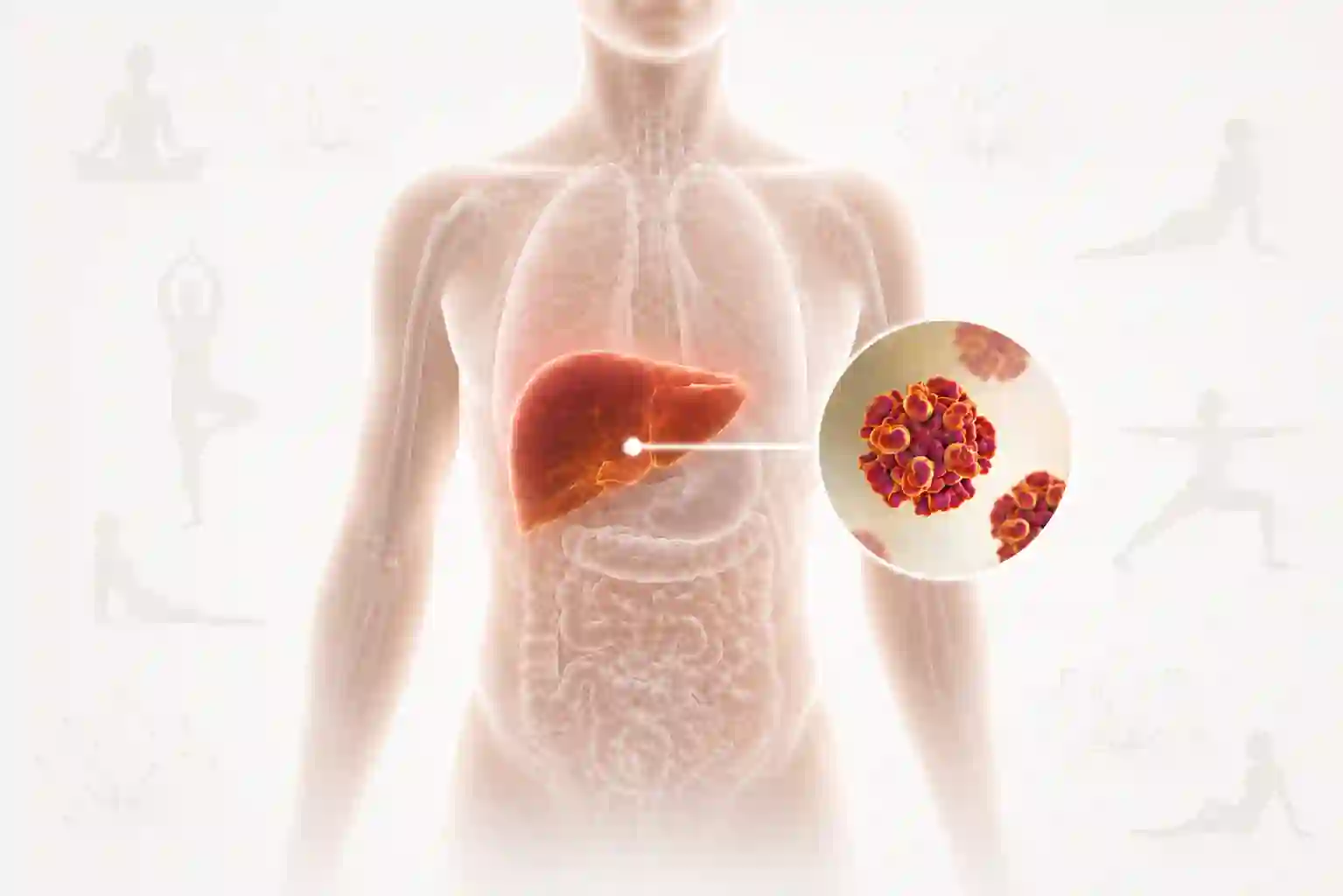
The liver listens. It releases a flood of stored sugar (glucose) into the bloodstream to power your muscles for that "fight or flight" moment.
Here's the problem: the liver often sends more sugar than your muscles actually need. It over-prepares, like a worried parent packing ten sandwiches for a one-hour trip.
In someone without diabetes, the body simply produces extra insulin to quietly clean up that extra sugar. But for those managing diabetes, that extra glucose shows up as a real, measurable spike.
Which Exercises Cause This?
Not all workouts trigger the alarm equally. The ones most likely to cause a temporary rise in blood sugar are:
HIIT and sprint-style training — Short, sharp bursts of effort (jump squats, sprinting, circuit training) hit the adrenaline button hard and fast.
Heavy strength training — Deadlifts, bench presses, and compound lifts are almost entirely anaerobic. Your body works without much oxygen, which pushes it into "emergency fuel" mode.
Competitive sports — Playing a high-stakes football or squash match adds mental stress on top of physical stress. That combination can spike blood sugar by 100 points or more — even if you ran a lot during the game.
One More Thing: Lactic Acid Fuel
Here's something fascinating. During intense anaerobic exercise, your muscles produce lactic acid as a by-product. Your body is clever enough to recycle it — converting that lactic acid back into glucose through a process called gluconeogenesis.
So your body is essentially making new sugar while you work out. It's like your car running out of petrol and then discovering it can melt the car seats to make more fuel. Resourceful, but yes — it raises the number on your glucose meter.
The Morning Factor
If you exercise first thing in the morning on an empty stomach, your blood sugar may rise even more than usual.
Why? Because your liver is already releasing glucose in the early hours to prepare your body for the day ahead — this is called the dawn phenomenon. Adding the stress of intense exercise on top of that is like pouring petrol on a fire that was already lit.
The Good News: It's Temporary
Here's what makes these spikes manageable: they are almost always short-lived.
After the workout is over and your body calms down, something wonderful happens. Your muscles become highly sensitive to insulin — sometimes for hours, sometimes for the rest of the day. This means your body gets better at pulling sugar out of the bloodstream and putting it to use.
One spike in the short term. Better control in the long term. That's a trade-off worth understanding.
The Yogic Answer: Turn Off the Alarm
Modern exercise science tells us what happens. Yoga tells us what to do about it.
Remember the fire alarm — the stress hormones that flood your body during intense effort? Yogic practices are essentially the reset button for that alarm. They signal to your nervous system: "The emergency is over. You are safe. Come back to balance."
When your nervous system calms down, cortisol drops, the liver stops dumping glucose, and your cells become more receptive to insulin. This is not just philosophy — it is physiology.
Here are four yogic tools that work directly on this mechanism:
Restorative Yoga — Give Your Body Permission to Rest
Restorative yoga uses bolsters, blankets, and gentle supported poses to hold the body in complete stillness for several minutes at a time. Poses like Supta Baddha Konasana (reclining butterfly) or Viparita Karani (legs up the wall) ask nothing demanding of the muscles.
Think of it like this: if your nervous system is a phone that has been overheating from too many apps running at once, restorative yoga is the act of closing every app and letting it cool down.
Studies show that even 20–30 minutes of restorative yoga can lower cortisol levels measurably. Less cortisol means the liver receives fewer "send more sugar" signals — and blood sugar has a chance to settle.
Best used: After an intense workout, or on rest days when your numbers tend to run higher from accumulated stress.
Yoga Nidra — Sleep That Heals Without Sleeping
Yoga Nidra, often called "yogic sleep," is a guided practice where you lie down completely still while a teacher walks you through layers of deep relaxation — body, breath, sensation, emotion, all the way down to a quiet, almost dreamlike state.
Here is the beautiful part: your brain enters a state between waking and sleeping. In this state, the body's stress response switches off almost completely. Cortisol and adrenaline fall. The parasympathetic nervous system — the "rest and digest" mode — takes over.
Research has shown that regular Yoga Nidra practice improves insulin sensitivity and helps the body regulate blood sugar more efficiently over time. It also improves sleep quality, and poor sleep is one of the most underrated causes of blood sugar instability.
Think of Yoga Nidra as sending your body's control room on a mini holiday — when it comes back, everything runs smoother.
Best used: In the evening, or as a 20–30 minute midday reset on high-stress days.
Pranayama — Breathing as a Blood Sugar Tool
Most of us breathe 15–20 times per minute without thinking about it. During intense exercise, that number shoots up, and shallow, rapid breathing keeps the nervous system in a state of mild alert — even after the workout is done.
Pranayama is the yogic science of conscious breath control, and certain techniques have a direct, measurable effect on blood sugar regulation.
Nadi Shodhana (Alternate Nostril Breathing) — Breathe in through the left nostril, out through the right, then in through the right, out through the left. This simple alternating pattern balances the two sides of the nervous system, calms the stress response, and has been shown in clinical studies to lower fasting blood glucose over time.
Bhramari (Humming Bee Breath) — Inhale deeply, then exhale slowly with a gentle humming sound. The vibration activates the vagus nerve — the main cable connecting your brain to your organs — which directly triggers the relaxation response and helps bring glucose metabolism back into balance.
Sitali (Cooling Breath) — Curl your tongue into a tube, inhale through it like sipping through a straw, then exhale slowly through the nose. This breath has a cooling, calming quality that ancient texts associated with reducing internal heat — and modern research supports its role in lowering stress hormones.
Think of pranayama as a remote control for your nervous system. You can consciously switch channels — from "high alert" to "calm and balanced" — just by changing how you breathe.
Best used: Immediately after intense exercise (5–10 minutes), or every morning before breakfast to set a stable baseline for the day.
Meditation — Training the Mind to Stop Sounding the Alarm
Stress does not only come from exercise. It comes from worry, deadlines, difficult conversations, and the constant background noise of modern life. And every stressful thought triggers a small release of cortisol — which nudges the liver to release a little more glucose.
This is why two people with the same diet and exercise routine can have very different blood sugar patterns. The one who carries more mental stress carries more cortisol — and more cortisol means blood sugar is harder to control.
Meditation is the practice of training the mind to observe thoughts without reacting to them. Over time, this literally changes the brain — reducing the size and reactivity of the amygdala (the brain's alarm centre) and strengthening the prefrontal cortex (the calm, rational part).
Even 10 minutes of daily meditation has been shown in multiple studies to reduce HbA1c (the long-term blood sugar marker) in people with Type 2 diabetes. It does this not through any magic, but through the simple, consistent act of turning down the volume on the internal alarm.
Think of meditation as slowly de-sensitising the fire alarm — so that it only goes off when there is a real fire, not every time you cook toast.
Best used: Every morning for 10–20 minutes, or whenever you notice stress starting to affect your readings.
Simple Ways to Soften the Spike
End with a cool-down walk. Even 5–10 minutes of gentle walking after a hard session helps your body switch out of "emergency mode."
Follow intense workouts with 10 minutes of Nadi Shodhana or Bhramari. Your blood sugar will thank you within the hour.
Add one Yoga Nidra session per week. Treat it like medicine — not a luxury.
Mix aerobic with anaerobic. Pairing strength training with steady-state cardio can balance the glucose-raising effect.
Meditate before breakfast. Starting the day in a calm nervous system state gives your blood sugar the best possible foundation.
Track patterns, not single readings. One high number right after a workout tells you very little. What happens one and two hours later tells you much more.
The body is not misbehaving when blood sugar rises after a hard workout. It is doing exactly what it was designed to do — protect you during intense effort. And yoga, in all its forms, is the oldest technology we have for helping the body come back to balance after that effort is done.
Move well. Breathe deeply. Rest completely. Know your body.

Written by
Niraj Shukla
Expert in Yoga Therapy, Pranayama, Meditation & Philosophy | Postgraduate degree in Yoga Science and Philosophy | Specializing in holistic well-being |