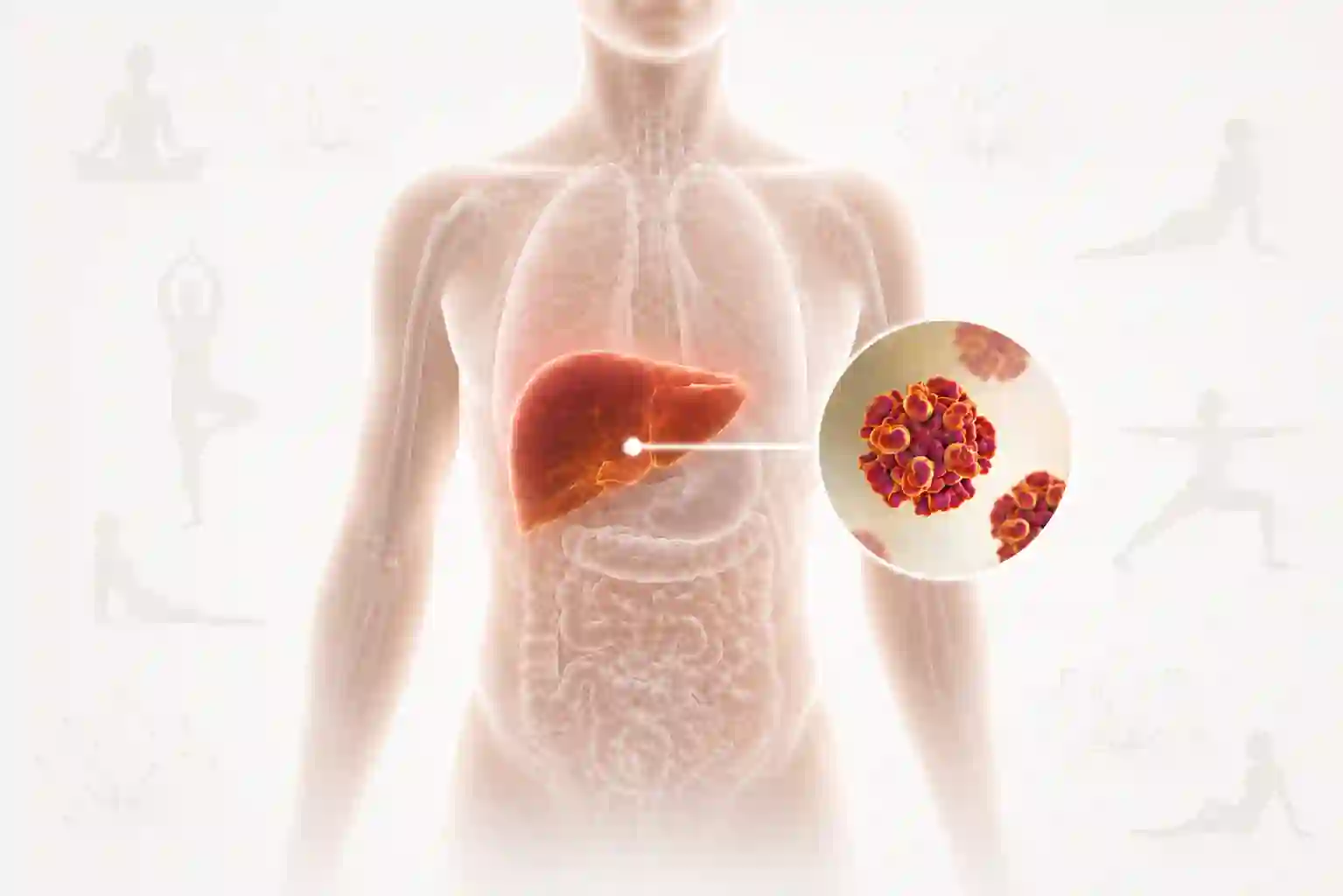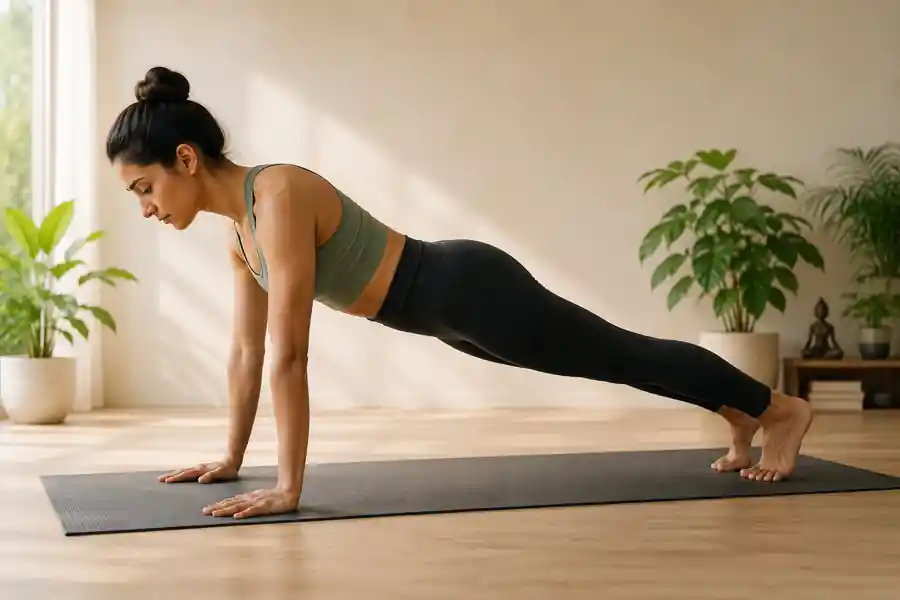
Yoga for Hypertension: A Natural Path to Lower Blood Pressure
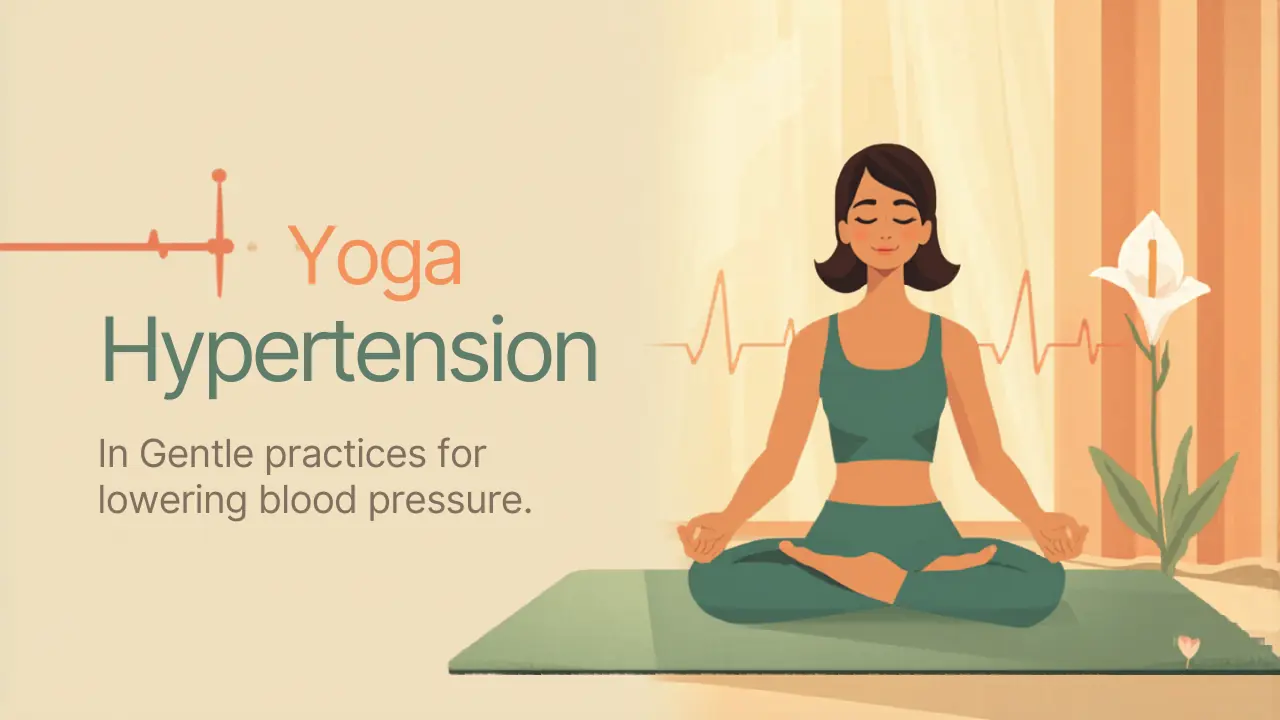
High blood pressure, or hypertension, is often called the “silent killer” because it can develop without obvious symptoms while quietly damaging the heart and blood vessels. In today’s fast-paced world, stress, poor diet, and lack of physical activity have made hypertension increasingly common. Fortunately, yoga offers a gentle, natural, and effective way to manage and even reduce high blood pressure.
Understanding Hypertension
Hypertension occurs when the force of blood against artery walls remains consistently high. Over time, this can lead to serious health issues such as heart disease, stroke, and kidney problems. While medication is often necessary, lifestyle changes play a crucial role in managing this condition—and that’s where yoga shines.
How Yoga Helps Lower Blood Pressure
Yoga is more than just physical exercise. It combines movement, breathing techniques, and meditation, all of which contribute to overall well-being. Here’s how yoga helps:
1. Reduces Stress
Stress is a major contributor to high blood pressure. Yoga activates the parasympathetic nervous system, helping the body relax and reducing stress hormones like cortisol.
2. Improves Blood Circulation
Gentle stretching and poses improve blood flow and help the heart function more efficiently.
3. Enhances Breathing
Pranayama (breathing exercises) increases oxygen supply and promotes calmness, which can lower blood pressure.
4. Supports Heart Health
Regular yoga practice strengthens the cardiovascular system and improves heart rate variability.
Best Yoga Poses for Hypertension
Here are some safe and effective yoga poses for people with high blood pressure:
1. Sukhasana (Easy Pose)
A simple seated posture that encourages calm breathing and relaxation.
2. Balasana (Child’s Pose)
This restorative pose helps reduce stress and gently relaxes the nervous system.
3. Viparita Karani (Legs-Up-the-Wall Pose)
A highly recommended pose that improves circulation and promotes deep relaxation.
4. Setu Bandhasana (Bridge Pose)
Opens the chest and improves blood flow to the heart.
5. Shavasana (Corpse Pose)
Essential for complete relaxation and stress relief at the end of a session.
Breathing Techniques (Pranayama)
Breathing exercises are especially powerful for managing hypertension:
Anulom Vilom (Alternate Nostril Breathing): Balances the nervous system and calms the mind
Bhramari (Bee Breathing): Reduces anxiety and promotes relaxation
Deep Belly Breathing: Helps lower heart rate and blood pressure
Tips for Practicing Yoga Safely
Practice regularly, even if only for 15–20 minutes daily
Avoid intense or fast-paced yoga styles
Stay hydrated and practice on an empty stomach
Consult your doctor before starting if you have severe hypertension
Listen to your body—never strain or push beyond comfort
Lifestyle Support Alongside Yoga
To maximize the benefits of yoga, combine it with:
A balanced, low-sodium diet
Regular physical activity like walking
Adequate sleep
Reduced caffeine and alcohol intake
Conclusion
Yoga offers a holistic and sustainable approach to managing hypertension. By calming the mind, strengthening the body, and improving overall balance, it empowers individuals to take control of their health naturally. With consistent practice, yoga can become a powerful ally in lowering blood pressure and enhancing quality of life.
Start slow, stay consistent, and let your breath guide you toward better health.

Written by
Niraj Shukla
Expert in Yoga Therapy, Pranayama, Meditation & Philosophy | Postgraduate degree in Yoga Science and Philosophy | Specializing in holistic well-being |