Yoga for Fatty Liver Grade 1, 2 & 3 — A Complete Guide

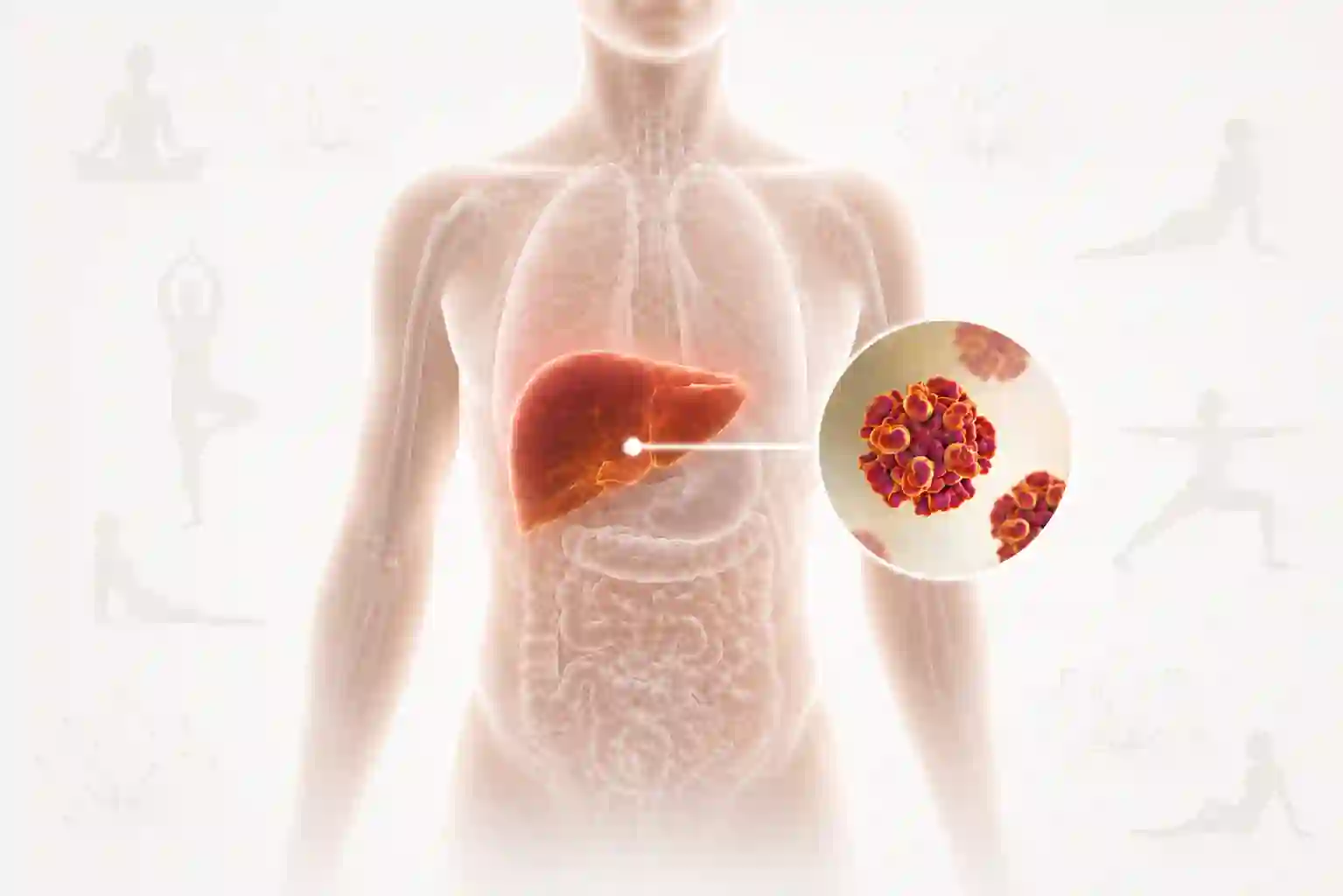
Fatty liver is a condition where too much fat gets stored inside your liver. Your liver is one of the most important organs in your body — it helps digest food, clean your blood, and keep your energy levels steady. When fat builds up in it, the liver slowly starts struggling to do its job properly.
This condition is becoming very common today, mostly because of unhealthy eating habits, little physical activity, stress, and poor sleep. The good news is that fatty liver — especially in its early stages — can be reversed naturally. And yoga is one of the most effective tools to do that.
What Are the Three Grades of Fatty Liver?
Doctors classify fatty liver into three grades depending on how much fat has collected in the liver.
Grade 1 — Mild A small amount of fat has built up in the liver. You probably won't feel any symptoms. This is the easiest stage to reverse — most people see a clear improvement within 3 to 6 months with the right diet and yoga practice.
Grade 2 — Moderate More fat has collected. You may start feeling tired easily, or feel a dull heaviness or discomfort on the upper right side of your stomach. This stage needs consistent effort, but it is absolutely treatable.
Grade 3 — Severe A large portion of the liver is now covered in fat. The liver may start getting inflamed or show early signs of damage. At this stage, yoga is still very helpful, but you must also work closely with your doctor.
Can Fatty Liver Be Treated?
Yes, fatty liver can absolutely be treated — and in many cases, completely reversed. The liver is one of the very few organs in the human body that can heal and rebuild itself. If you give it the right support, it will repair the damage on its own.
Right now, there is no approved medicine specifically for fatty liver. Doctors worldwide agree that the best treatment is changing your lifestyle — eating better, moving more, managing stress, and sleeping well. Yoga helps you do all of these things at once.
Here is what makes fatty liver treatable with the right effort:
Losing even a small amount of body weight — around 5 to 10 percent of your total weight — can noticeably reduce fat in the liver.
Controlling blood sugar levels reduces the main cause of fat buildup in the liver.
Reducing stress hormones helps your body stop storing extra fat around the belly and liver.
Yoga works on all three of these areas together, which is why it is so effective for fatty liver.
If you have Grade 3 fatty liver with liver inflammation, please do not skip your medical treatment. Yoga will support your healing, but your doctor's guidance is essential at this stage.
Can Fatty Liver Become Normal with Yoga?
For Grade 1, yes — many people have completely normalised their liver through yoga and diet alone. For Grade 2, it is very much possible with regular and sincere practice. For Grade 3, yoga can slow down the damage, reduce inflammation, and support your body's healing alongside medical treatment.
Yoga helps your liver in these simple ways:
It burns belly fat. Certain poses create heat and movement in the abdomen that helps the body use up stored fat, including the fat in your liver.
It massages your liver. Twisting and bending poses gently press and release the liver, improving blood circulation inside it and helping it flush out toxins.
It reduces stress. When you are stressed, your body releases a hormone called cortisol. High cortisol levels push your body to store more fat — especially around the belly and liver. Breathing exercises in yoga bring cortisol down.
It controls blood sugar. Yoga improves how your body uses sugar from food, which directly reduces the amount of fat your liver has to store.
Studies have shown that practising yoga five days a week for just three months can reduce liver fat and bring down liver enzyme levels — which are the markers doctors check to see how stressed your liver is.
Best Yoga for Fatty Liver — Grade 1, 2 and 3
Kapalbhati Pranayama — Forced Breath Exercise This is the most powerful breathing exercise for fatty liver. You sit comfortably and breathe out sharply and forcefully through your nose in rapid bursts. Each sharp exhale contracts your stomach muscles and gives your liver a firm internal massage. It also lights up your digestive system and helps burn fat. Practise this every morning on an empty stomach — start with 3 rounds of 30 to 60 breaths and build up gradually. Grade 1 and 2 can do this at full pace. Grade 3 should do it slowly and gently.
Seated Spinal Twist — Ardha Matsyendrasana Sit on the floor, bend one leg, and twist your upper body in the opposite direction. This twisting movement physically squeezes the liver and then releases it, which flushes out old blood and brings in fresh, oxygen-rich blood. Think of it like wringing out a wet cloth. Hold for 30 to 60 seconds on each side. Grade 1 and 2 can do the full twist. Grade 3 should do a gentler version while sitting in a chair or against a wall.
Bow Pose — Dhanurasana Lie flat on your stomach, bend your knees, and hold your ankles with your hands. Then lift your chest and thighs off the floor so your body forms a bow shape. This pose puts a strong, healthy pressure on the liver and entire digestive system. It is one of the best poses to stimulate the liver directly. Grade 1 is well-suited for this. Grade 2 should do a lighter version. Grade 3 should skip this in the beginning and add it gradually once the body feels stronger.
Seated Forward Bend — Paschimottanasana Sit with your legs stretched out in front of you and slowly bend forward, reaching for your feet or ankles. This gentle compression on the abdomen stimulates the liver and improves digestion. It also calms the nervous system, which helps bring down stress hormones. Hold for 1 to 2 minutes and breathe slowly. This is safe and beneficial for all three grades.
Camel Pose — Ustrasana Kneel on the floor and slowly lean backward, placing your hands on your heels. This is a backbend that stretches and opens the front of the body, bringing more blood flow to the liver and digestive organs. It works best when done after a forward bend, as the alternating movement creates a natural pumping action on the liver. Grade 1 and 2 can do the full pose. Grade 3 should only lean back halfway.
Boat Pose — Navasana Sit on the floor and lift both legs while leaning back slightly, balancing on your sitting bones. Your body forms a V shape. This pose strongly engages the core and creates internal heat that speeds up metabolism and fat burning. Grade 1 can work toward straight legs. Grade 2 should keep knees bent. Grade 3 should only slightly lean back with feet on the floor.
Triangle Pose — Trikonasana Stand with your legs wide apart, reach one arm down toward your foot and the other arm straight up toward the ceiling. This deep side stretch opens up the right side of the body where the liver sits and improves blood flow through it. It is gentle, effective, and safe for all three grades.
Alternate Nostril Breathing — Anulom Vilom Close one nostril and breathe in through the other. Then switch and breathe out through the other side. Keep alternating. This simple breathing practice balances your nervous system, reduces inflammation in the body, and lowers liver enzymes over time. It is completely safe for all grades and is especially recommended as a starting point for Grade 3. Practise for 10 to 20 minutes daily.
Yoga Routine by Grade
Grade 1 — Active Daily Practice (45 to 60 minutes)
Kapalbhati — 5 rounds
Surya Namaskar — 12 rounds
Seated Spinal Twist
Bow Pose
Boat Pose
Camel Pose
Triangle Pose
Alternate Nostril Breathing — 15 minutes
Grade 2 — Steady Moderate Practice (30 to 45 minutes)
Kapalbhati — 3 gentle rounds
Alternate Nostril Breathing — 20 minutes
Surya Namaskar — 6 rounds
Seated Forward Bend
Triangle Pose
Gentle Supine Twist (lying on your back)
Half Boat Pose
Rest in Shavasana with slow breathing
Get a liver check-up every 2 to 3 months to track your progress.
Grade 3 — Gentle Healing Practice (20 to 30 minutes)
Alternate Nostril Breathing — 20 to 30 minutes
Humming Bee Breath (Bhramari) — 5 minutes
Very gentle Kapalbhati — 1 short round
Butterfly Pose lying down (Supta Baddha Konasana)
Gentle Triangle Pose
Lying down spinal twist
Yoga Nidra — deep relaxation practice daily
Always work with your doctor if you are at Grade 3. Do not push yourself. Let the breath do the work.
Quick Yogic Tips for Fatty Liver
Always practise on an empty stomach. Do your yoga first thing in the morning before eating anything. If you practise later in the day, wait at least 3 to 4 hours after your last meal. A full stomach prevents the abdominal movements from reaching the liver properly.
Start your morning with warm lemon water. Before you begin yoga, drink one glass of warm water with fresh lemon juice. This wakes up your liver, stimulates bile flow, and prepares your digestive system for the practice ahead.
Try to practise early in the morning. The body is in a natural detox state in the early morning hours. Practising yoga at this time helps your liver flush out toxins more effectively than at any other time of day.
After practice, rest on your right side. When you lie down to rest after yoga, turn onto your right side. Your liver sits on the right side of your body, and resting this way helps bile and blood drain naturally through it.
Do simple deep breathing during the day. You do not have to be on a yoga mat to practise breathing. Several times a day, inhale slowly for 5 counts, hold for 5, and exhale for 5. This simple habit keeps your stress hormones low and supports liver healing throughout the day.
Be consistent, not intense. Thirty minutes of yoga every single day will help your liver far more than one long session on the weekend. Your liver needs steady, regular stimulation — not occasional bursts of effort.
Practise Yoga Nidra before going to sleep. Yoga Nidra is a guided deep relaxation practice done lying down. Even 20 minutes of this before bed helps reduce inflammation, balance your hormones, and activate deep healing in the body — which is exactly what your liver needs while you sleep.
What to Avoid
Yoga alone will not fix a fatty liver if these habits continue:
Sugar and sweet drinks — Cold drinks, fruit juices, biscuits, sweets, and white bread all convert quickly into liver fat. Cut these down as much as possible.
Alcohol — Even small amounts of alcohol add stress to a liver that is already struggling. Avoid it completely while your liver is healing.
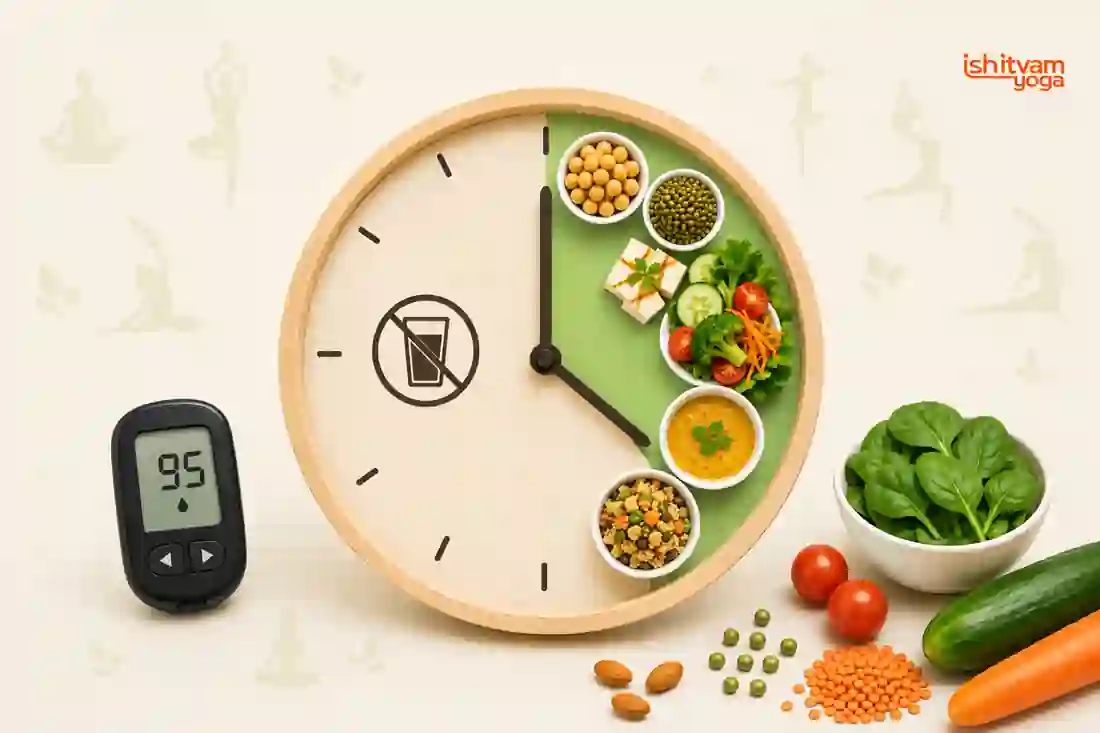
Eating late at night — Your liver does most of its cleaning and repair work between 11 PM and 3 AM. If you eat late, it has to spend that time digesting instead of healing. Finish your dinner by 7 PM if possible.
Unnecessary painkillers — Medicines like paracetamol and common pain relievers are processed by the liver. Taking them too often puts extra strain on it. Avoid self-medicating.
A Simple Truth About Your Liver
Your liver wants to get better. It is designed to heal itself. It just needs you to stop overloading it and start giving it the support it needs. You do not need expensive treatments or complicated programmes. A simple yoga mat, thirty minutes a day, and a few honest changes to your daily habits are enough to begin turning things around.
Start small. Stay consistent. Trust the process.
This article is written for general awareness and educational purposes. It is not a substitute for medical advice. If you have fatty liver, please consult your yoga expert, consultant, or health professional before starting any new practice — especially if you are at Grade 2 or Grade 3. Do not discontinue prescribed medications or treatments without medical guidance.