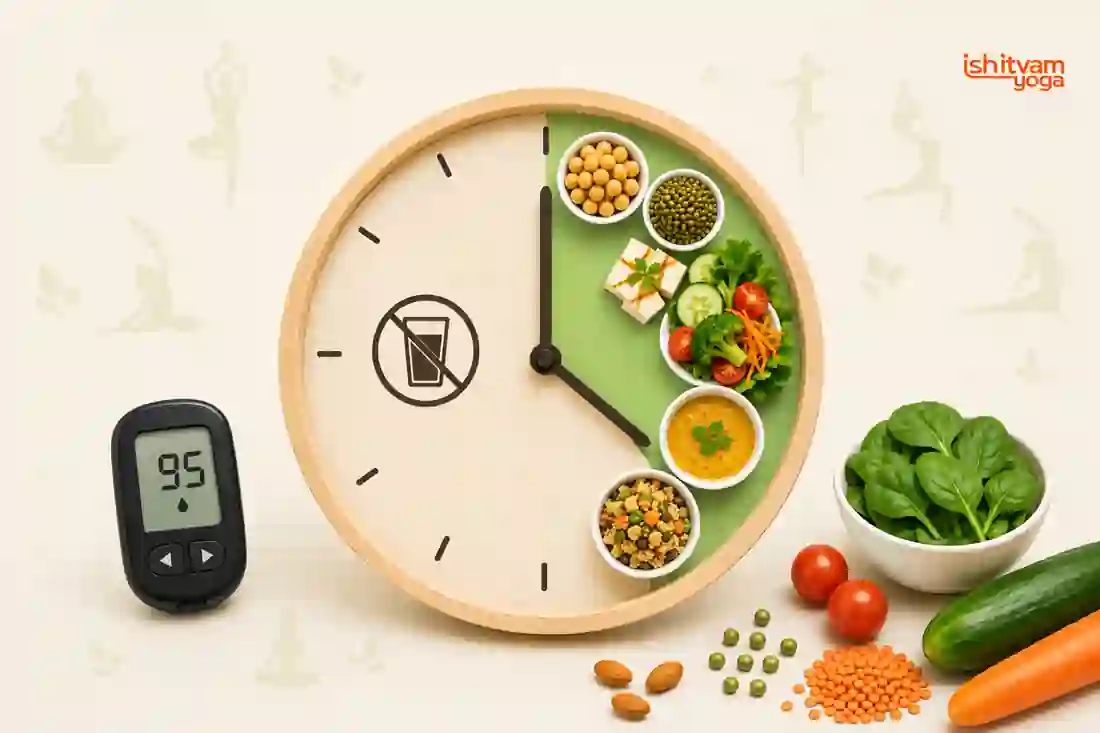
मधुमेह को प्राकृतिक रूप से काबू करें — सात आयुर्वेदिक जड़ी-बूटियाँ जो सच में काम करती हैं
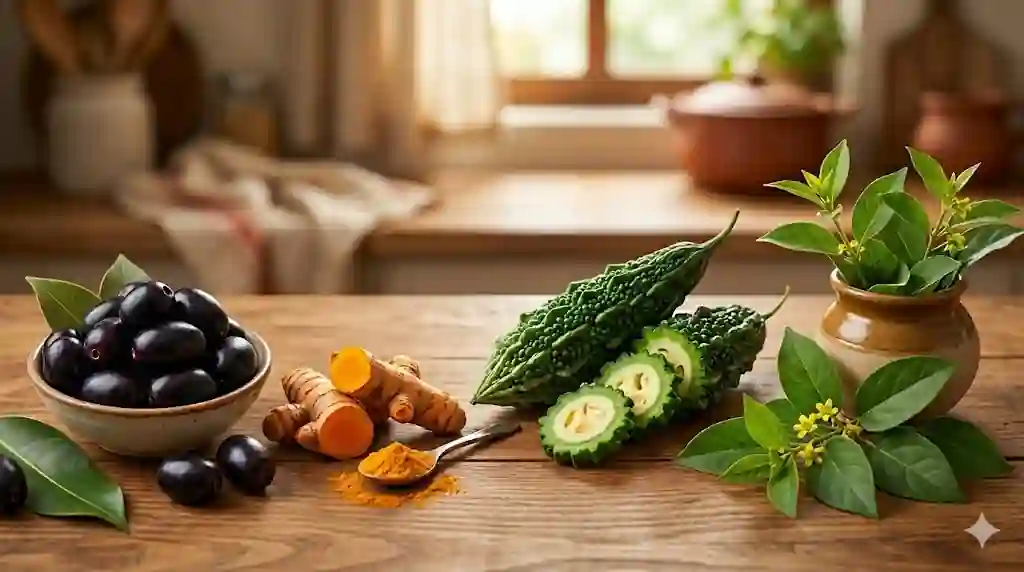
पिछले दस से भी अधिक वर्षों में मैंने योग चिकित्सा और आयुर्वेदिक परामर्श के ज़रिए हज़ारों मरीज़ों के साथ काम किया है। इस दौरान मैंने महसूस किया कि टाइप 2 मधुमेह सिर्फ एक बीमारी नहीं है — यह दरअसल हमारा शरीर हमसे कुछ कहने की कोशिश कर रहा होता है। आयुर्वेद के नज़रिए से देखें तो रक्त शर्करा का बिगड़ना कफ और वात दोष के असंतुलन की वजह से होता है — यानी शरीर में अतिरिक्त जमाव, पाचन की कमज़ोरी, और एक थका हुआ तंत्रिका तंत्र जो शांत होना भूल गया है। ऐसे में जड़ी-बूटियाँ कोई जादुई इलाज नहीं हैं — ये तो वो दूत हैं जो शरीर की अपनी ताकत को फिर से जगाते हैं।
यहाँ जो मैं बता रहा हूँ वो कोई सप्लीमेंट की लिस्ट नहीं है। यह वही समझ है जो मैं अपने उन मरीज़ों के साथ साझा करता हूँ जो तमाम दवाओं और परहेज़ से थक चुके होते हैं और कुछ ऐसा चाहते हैं जो सिर्फ उनके अग्न्याशय को नहीं, बल्कि पूरे इंसान को ठीक करे।
"योग चिकित्सा में हम यह नहीं पूछते कि रक्त शर्करा क्यों बढ़ी है — हम यह पूछते हैं कि शरीर क्या संतुलित करने की कोशिश कर रहा है जो वो अब नहीं कर पा रहा।"
सात प्रमुख जड़ी-बूटियाँ — रक्त शर्करा को संतुलित करने के लिए
1. करेला (Momordica charantia) · कफ को शांत करने वाला
सच कहें तो मधुमेह में करेला सबसे ताकतवर जड़ी-बूटी है। इसमें पॉलीपेप्टाइड-पी नाम का एक तत्व होता है जो शरीर में इंसुलिन जैसा काम करता है। साथ ही इसमें चारेन्टिन और विसिन भी होते हैं जो सीधे कोशिकाओं तक ग्लूकोज पहुँचाने में मदद करते हैं। मैंने अपने कई मरीज़ों में देखा है — खासकर जिनमें इंसुलिन प्रतिरोध ज़्यादा होता है — कि करेले का नियमित सेवन पाचन और लीवर दोनों को दुरुस्त करता है।
रोज़ का अभ्यास: सुबह खाली पेट 30ml ताज़ा करेले का जूस पिएं — और इसके 20 मिनट बाद अपना योगाभ्यास शुरू करें। इससे शरीर का चयापचय तंत्र आसन से पहले ही सक्रिय हो जाता है।
2. मेथी (Trigonella foenum-graecum) · वात और कफ को संतुलित करने वाली
मेथी की खास बात यह है कि इसमें एक तरह का घुलनशील रेशा होता है जो पेट में जाकर एक गाढ़ा जेल बना देता है। यह जेल खाने से मिलने वाली शर्करा को धीरे-धीरे खून में जाने देता है — एकदम से नहीं। यह बिल्कुल वैसा ही है जैसे योग में धारणा — यानी धैर्य के साथ, बिना जल्दबाज़ी के। जिन मरीज़ों का खाने के बाद का शुगर लेवल बहुत तेज़ी से बढ़ता है, उनके लिए मैं मेथी को सबसे पहले सुझाता हूँ।
रोज़ का अभ्यास: रात को 1 चम्मच मेथी के दाने पानी में भिगो दें। सुबह उठकर वो पानी पिएं और दाने चबाएं। लगातार 90 दिन करने पर HbA1c में असली फ़र्क दिखता है।
3. गुड़मार (Gymnema sylvestre) · कफ को कम करने वाला
गुड़मार का मतलब ही है "चीनी का नाशक" — और यह नाम बिल्कुल सही है। इसमें जिम्नेमिक एसिड होता है जो कुछ देर के लिए जीभ पर मीठे का एहसास कम कर देता है। इससे मीठा खाने की चाहत घटती है और खाने के बाद शुगर का अवशोषण भी धीमा होता है। मेरे बहुत से मरीज़ जो तनाव में मीठा खाते हैं या जिनमें भावनात्मक खाने की आदत है — उनके लिए यह जड़ी-बूटी बेहद काम की है क्योंकि यह समस्या की जड़ पर काम करती है।
रोज़ का अभ्यास: दोपहर और रात के खाने से पहले 2–3 ताज़ी पत्तियाँ चबाएं या 400mg का मानकीकृत अर्क लें। खाने से पहले 5 मिनट प्रत्याहार — यानी आँखें बंद करके शांत बैठना — इसके असर को और बढ़ाता है।
4. दालचीनी (Cinnamomum verum) · वात को शांत करने वाली, कफ को कम करने वाली
दालचीनी का काम बड़ा सीधा और खूबसूरत है — इसमें MHCP नाम का एक तत्व होता है जो इंसुलिन की तरह काम करता है और कोशिकाओं को इंसुलिन का संदेश सुनने में मदद करता है। आसान भाषा में कहें तो जब कोशिकाएं इंसुलिन को ठीक से नहीं सुन पातीं — जिसे इंसुलिन प्रतिरोध कहते हैं — दालचीनी एक दुभाषिये की तरह बीच में आती है। मैं अपने मरीज़ों को दालचीनी के साथ नाड़ी शोधन प्राणायाम करने की सलाह देता हूँ — दोनों मिलकर शरीर की संवेदनशीलता को वापस लाते हैं।
रोज़ का अभ्यास: हर सुबह आधा चम्मच दालचीनी पाउडर गर्म पानी में एक चुटकी काली मिर्च के साथ मिलाकर पिएं। इसके बाद 10 मिनट नाड़ी शोधन करें — फिर पहला खाना खाएं।
5. हल्दी (Curcuma longa) · त्रिदोषिक — तीनों दोषों को संतुलित करने वाली
टाइप 2 मधुमेह और सूजन का गहरा रिश्ता है — और हल्दी इसी रिश्ते को तोड़ती है। इसमें करक्यूमिन नाम का तत्व होता है जो शरीर की अंदरूनी सूजन को कम करता है, बीटा कोशिकाओं की रक्षा करता है जो इंसुलिन बनाती हैं, और इंसुलिन प्रतिरोध को घटाता है। मैं अपने मरीज़ों से कहता हूँ — हल्दी शरीर को वो वक्त देती है जो उसे ठीक होने के लिए चाहिए। जब अंदर की आग शांत होती है, तब बाकी अभ्यास — योग, श्वास, नींद — असर करने लगते हैं।
रोज़ का अभ्यास: रात को रिस्टोरेटिव योग के बाद गर्म दूध में 1 चम्मच हल्दी और एक चुटकी काली मिर्च मिलाकर पिएं। काली मिर्च ज़रूरी है — इसके बिना हल्दी का करक्यूमिन खून में ठीक से नहीं पहुँचता।
6. आंवला (Phyllanthus emblica) · त्रिदोषिक, रसायन
आंवला आयुर्वेद का सबसे पुराना और भरोसेमंद रसायन है — यानी वो चीज़ जो शरीर को फिर से जवान और ताज़ा करती है। मधुमेह में इसकी भूमिका बहुत गहरी है। इसमें विटामिन सी की भरपूर मात्रा होती है — संतरे से भी बीस गुना ज़्यादा — जो इंसुलिन बनाने वाली बीटा कोशिकाओं को दोबारा ताकत देती है। और जो बात मुझे सबसे अहम लगती है वो यह है कि आंवला ऑक्सीडेटिव तनाव को कम करता है — यानी वो कोशिकीय नुकसान जो मधुमेह की जटिलताओं को और बढ़ाता है। मेरे कई मरीज़ों ने बताया कि रिपोर्ट में फ़र्क आने से पहले ही उन्हें ऊर्जा और त्वचा में सुधार दिखने लगा।
रोज़ का अभ्यास: हर सुबह 1 चम्मच आंवला पाउडर गर्म पानी में घोलकर पिएं — या ताज़ा आंवला मिले तो वो खाएं। प्राणायाम के बाद आंवला लेना और भी फायदेमंद है — श्वास अभ्यास से कोशिकाओं में ऑक्सीजन बढ़ती है और आंवले के एंटीऑक्सीडेंट उसके साथ मिलकर दोगुना काम करते हैं।
7. जामुन बीज पाउडर (Syzygium cumini) · कफ और पित्त को शांत करने वाला
जामुन बीज पाउडर मधुमेह की देखभाल में एक बेहद खास जगह रखता है — यह उस असली वजह पर काम करता है जिससे खाने के बाद शुगर एकदम से बढ़ जाती है। इसमें जैम्बोलिन नाम का तत्व होता है जो पेट में स्टार्च को ग्लूकोज में बदलने की प्रक्रिया को रोकता है — और साथ ही अग्न्याशय को इंसुलिन बनाने के लिए उकसाता भी है। आयुर्वेद में जामुन को हज़ारों साल पहले से मधुमेह — यानी मधुमेह रोग — के लिए इस्तेमाल किया जाता रहा है। जिन मरीज़ों का खाने के बाद का शुगर तेज़ी से बढ़ता है और जिनमें पित्त की अधिकता है — जैसे पेट में जलन, अनियमित भूख — उनके लिए मैं जामुन बीज पाउडर को ज़रूर शामिल करता हूँ।
रोज़ का अभ्यास: आधा चम्मच जामुन बीज पाउडर गर्म पानी में मिलाकर दोपहर और रात के खाने से 20 मिनट पहले लें। जिन मरीज़ों में खाने के बाद शुगर बहुत बढ़ती है, उनके लिए खाने के बाद 10 मिनट की सैर और पेट से गहरी साँस लेना — इन दोनों के साथ जामुन बीज पाउडर का असर कई गुना बढ़ जाता है।
एकीकृत दृष्टिकोण — जड़ी-बूटियाँ अभ्यास में कैसे काम करती हैं
एक योग चिकित्सक के तौर पर मेरा अनुभव कहता है — जो मरीज़ मधुमेह को सबसे अच्छे से संभालते हैं, वो वो नहीं होते जो सबसे सख्त नियमों का पालन करते हैं। वो होते हैं जो अपने शरीर से एक रिश्ता बना लेते हैं — जहाँ जड़ी-बूटियाँ, साँस, हलचल और आराम उनकी रोज़ की दिनचर्या का हिस्सा बन जाते हैं, कोई बोझिल नियम नहीं।
ये सातों जड़ी-बूटियाँ उसी रिश्ते का निमंत्रण हैं। ये धीरे काम करती हैं, ईमानदारी से काम करती हैं — और जो कुछ आप पहले से कर रहे हैं उसके साथ मिलकर काम करती हैं। इसीलिए इन पर भरोसा किया जा सकता है।
अंतिम संदेश — छोटे से शुरू करें, सही से शुरू करें
सात जड़ी-बूटियाँ। एक ज़रूरी बात: इन सभी को एक साथ मत लीजिए।
आयुर्वेद और योग चिकित्सा में ज़्यादा हमेशा बेहतर नहीं होता। शरीर को समझने के लिए जगह चाहिए — यह जानने के लिए कि क्या काम कर रहा है, क्या नहीं। एक साथ कई जड़ी-बूटियाँ शुरू करने पर आप यह पहचान ही नहीं पाएंगे कि कौन सी चीज़ असर कर रही है।
मेरी सलाह है: एक बार में दो से ज़्यादा जड़ी-बूटियाँ न लें। उन्हें 6 से 8 हफ्ते लगातार और रोज़ाना दें — फिर देखें क्या बदला। उसके बाद सोच-समझकर आगे बढ़ें।
इससे भी ज़रूरी बात — अपनी प्रकृति के हिसाब से चुनें। जो जड़ी-बूटी एक कफ प्रकृति के इंसान के लिए बढ़िया है, वो वात प्रकृति वाले के लिए अलग असर कर सकती है। करेला और गुड़मार कफ को शांत करते हैं पर लंबे समय तक लेने पर वात प्रकृति के लोगों के लिए बहुत शुष्क हो सकते हैं। हल्दी और दालचीनी लगभग सभी के लिए ठीक हैं। आंवला सबसे सुरक्षित है — तीनों दोषों के लिए।
अगर आप नहीं जानते कि आपकी प्रकृति क्या है — तो पहले यही जानिए। प्रकृति जानना कोई लेबल लगाना नहीं है — यह एक नक्शा है। और नक्शे के साथ हर कदम ज़्यादा सटीक, ज़्यादा असरदार होता है।
👉 अपनी प्रकृति और दोष यहाँ जानें — हमारी प्रकृति परीक्षा लें और जानें कि कौन सी जड़ी-बूटियाँ, अभ्यास और जीवनशैली आपके शरीर के लिए सबसे सही हैं।
असली लक्ष्य बीमारी को काबू करना नहीं है। असली लक्ष्य वो हालात बनाना है जिनमें शरीर खुद अपनी देखभाल कर सके। सही जड़ी-बूटियाँ, समझदारी से चुनी जाएं और रोज़ाना ली जाएं — तो यह उस सफर का सबसे सुंदर पहला कदम है।
ज़रूरी सूचना: इन जड़ी-बूटियों को अपनी मौजूदा दवाओं के साथ लें — उनकी जगह नहीं। इनमें से कुछ मेटफॉर्मिन और अन्य मधुमेह की दवाओं के साथ मिलकर शुगर को और कम कर सकती हैं — इसलिए कोई भी हर्बल दिनचर्या शुरू करने से पहले अपने डॉक्टर से ज़रूर बात करें और शुगर की नियमित जाँच करते रहें।

लेखक
नीरज शुक्ला
योग थेरेपी, ध्यान , प्राणायाम एवं योग दर्शन विशेषज्ञ | योग एवं दर्शन में परास्नातक |