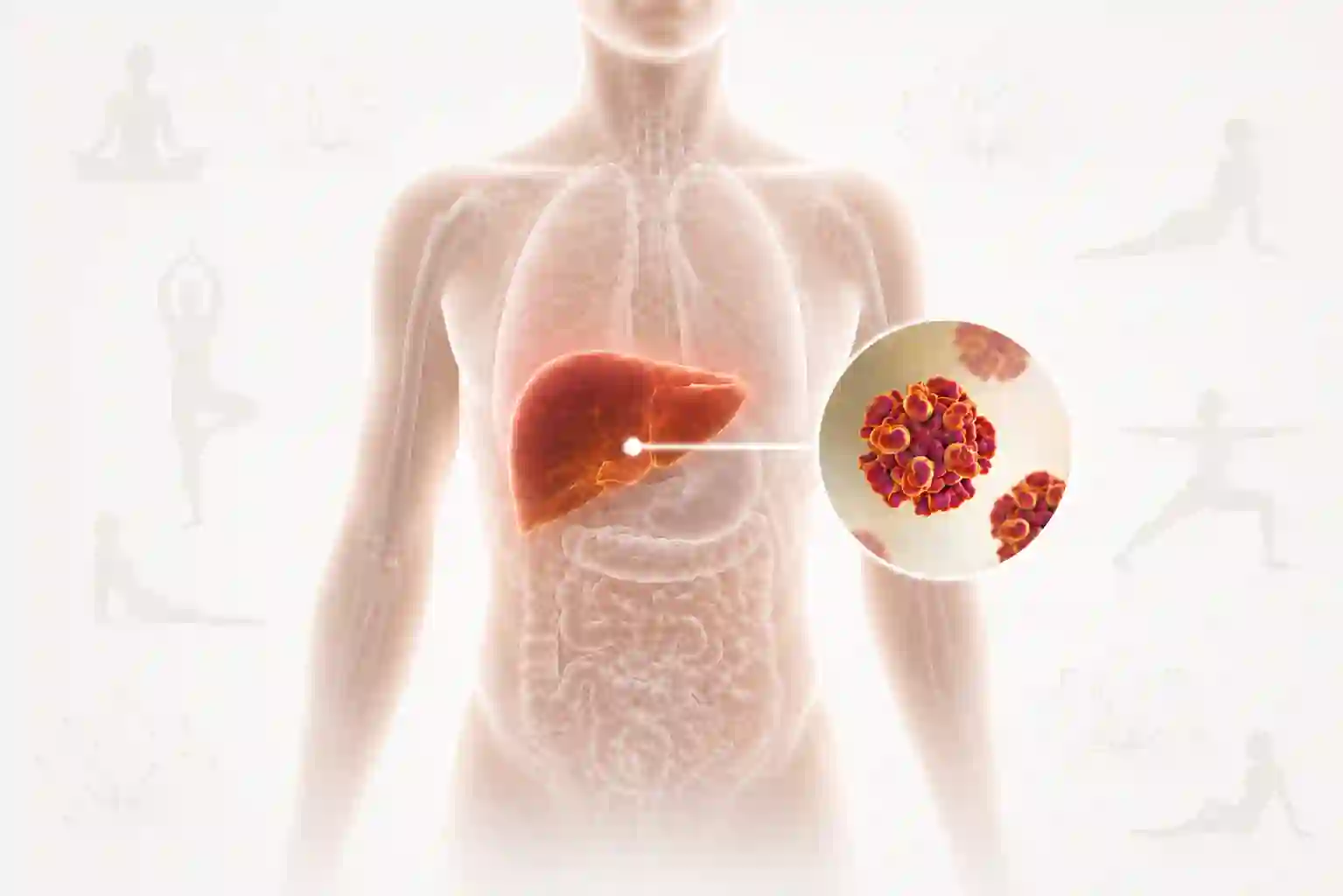
Fatty Liver: What It Is and How to Heal It Naturally
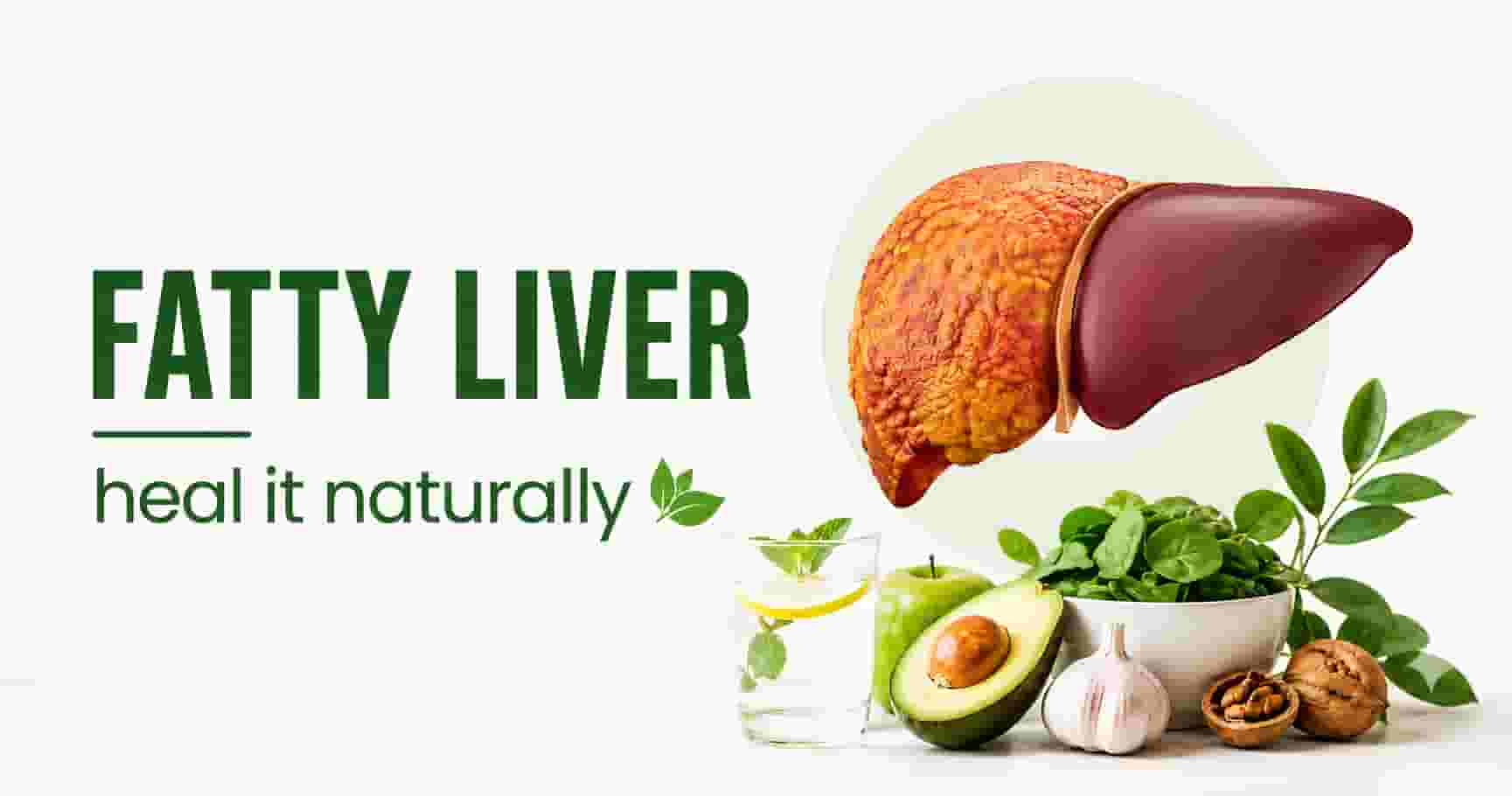
Fatty liver is a condition where too much fat builds up inside the liver. The liver is one of the most important organs in our body. It cleans our blood, helps digest food, and keeps us healthy. But when we eat unhealthy food, drink too much alcohol, or live a stressful life, fat starts to collect in the liver. Over time, this can make the liver weak and stop it from doing its job properly.
The good news is that fatty liver can be reversed naturally, especially in its early stages. You do not always need heavy medicines. Simple changes in your daily routine, some traditional herbs and seeds, and a few yoga poses can bring your liver back to health.
Why Does Fatty Liver Happen
Fatty liver mostly happens because of poor eating habits and an unhealthy lifestyle. Common reasons include:
Too much sugar, refined flour, junk food, and fried items in daily meals
Sitting for long hours without any physical movement
Regular alcohol consumption
Conditions like diabetes, obesity, or high cholesterol
In many cases, people do not even know they have it because there are no clear symptoms in the beginning. Some may feel:
Constant tiredness or low energy
Heaviness or bloating in the stomach
Mild pain or discomfort on the right side of the belly
How Yoga Helps the Liver
Yoga is one of the most gentle and powerful ways to heal a fatty liver. It improves blood flow to the liver, reduces stress, helps burn fat, and supports digestion. You do not need to be a yoga expert. Even doing these simple poses for 20 to 30 minutes daily can make a big difference over time.
Bhujangasana (Cobra Pose): Lie on your stomach, place your hands near your chest, and slowly lift your upper body by pressing the hands down. This pose gently squeezes and stretches the belly area and stimulates liver function.
Dhanurasana (Bow Pose): Lie on your stomach, bend your knees, hold your ankles with your hands, and lift your chest and legs together. This puts a healthy pressure on the liver and helps remove fat deposits.
Ardha Matsyendrasana (Seated Twist): Sit with your legs in front, then twist your body to one side while keeping the spine straight. This twisting motion compresses and releases the liver, improving its blood circulation.
Kapalbhati Pranayama (Breathing Exercise): Sit comfortably, take a deep breath in, then forcefully push the breath out through the nose by pulling the stomach in quickly. Repeat for 5 to 10 minutes. This is considered one of the best exercises for liver health. It burns fat, improves digestion, and cleanses the liver from inside.
Paschimottanasana (Seated Forward Bend): Sit with your legs stretched forward and slowly bend your upper body towards your feet. This stretches and massages the liver area and improves its activity.
Herbs and Seeds According to Your Body Constitution (Dosha)
In Ayurveda, every person has a unique body type called a Prakriti or Dosha. The three main doshas are Vata, Pitta, and Kapha. Understanding your dosha helps you choose the right herbs and seeds that will work best for your body without creating any imbalance. Some herbs are balancing for all three doshas and are called Tridoshic.
Before you begin any herbal routine, try to identify your dominant dosha. A simple way to understand this is that Vata people are usually thin, dry-skinned, anxious, and have irregular digestion. Pitta people tend to be medium-built, sharp-minded, prone to anger, acidity, and inflammation. Kapha people are usually heavier, calm, slow in digestion, and prone to weight gain and mucus. Many people are a combination of two doshas.
Vata Dosha (Air and Space Element)
Vata body types tend to have dry, irregular, and weak digestion. For fatty liver, they need herbs and seeds that are warming, grounding, and nourishing. The following work well:
Fenugreek Seeds (Methi): Warm and grounding in nature, they improve digestion and regulate blood sugar, which helps reduce liver fat. Soak overnight and drink the water every morning.
Giloy (Guduchi): Deeply nourishing and warming. It cleanses the liver gently without drying out the system, which suits Vata very well.
Flaxseeds: Rich in healthy fats and omega-3, they lubricate the digestive system and reduce inflammation in the liver. Vata types respond very well to the oily, grounding nature of flaxseeds.
Cumin Seeds (Jeera): Warming and digestive. Boiled cumin water every morning helps Vata types digest better and reduce liver fat steadily.
Amla (Indian Gooseberry): Though slightly cooling, amla is one of the rare herbs that gently balances Vata while powerfully healing the liver. It is best taken with a pinch of black pepper or honey for Vata types.
Suranjan Mithi (Sweet Colchicum): This is a traditional Unani and Ayurvedic herb that is warm and dry in nature, making it very well suited for Vata body types. It helps reduce inflammation in the liver, supports joint health which is often weak in Vata types, and aids in clearing toxins that accumulate due to slow Vata digestion. It is usually taken as a powder with warm water or honey in small doses. It should always be used under guidance as it is a potent herb.
Pitta Dosha (Fire and Water Element)
Pitta body types tend to have a strong but overactive digestive system. They are prone to inflammation, acidity, and heat in the body. For fatty liver in Pitta types, the focus should be on cooling, anti-inflammatory herbs and seeds that calm the liver without adding more heat.
Aloe Vera: Cooling and soothing for the liver. Two tablespoons of fresh aloe vera gel in water every morning is ideal for Pitta types as it reduces heat and inflammation in the liver directly.
Coriander Seeds (Dhania): Cooling and detoxifying. Soaking them overnight and drinking that water is excellent for Pitta. It calms the liver and reduces excess heat in the digestive system.
Neem Leaves: Bitter and cooling. Neem is one of the best liver cleansers for Pitta types because its bitter taste directly pacifies Pitta and clears heat and toxins from the liver.
Milk Thistle: Cooling and deeply protective for liver cells. Its silymarin content reduces inflammation and repairs liver damage, which is exactly what an overheated Pitta liver needs.
Flaxseeds: Also beneficial for Pitta as they reduce inflammation. However, Pitta types should avoid roasting them and prefer them raw or soaked.
Bhumi Amla (Phyllanthus Niruri): This small but incredibly powerful herb is one of the most respected liver healers in both Ayurveda and modern herbal research. Its nature is cooling and bitter, making it a perfect match for Pitta dosha. Bhumi Amla directly targets the liver, reduces liver enzymes that rise due to fatty liver, protects liver cells from damage, and has been shown to fight liver inflammation and viral infections of the liver. It is taken as a juice, powder, or decoction. For Pitta types, drinking Bhumi Amla juice with a little water every morning on an empty stomach is one of the most effective natural treatments for fatty liver.
Kapha Dosha (Earth and Water Element)
Kapha body types are the most prone to fatty liver because their metabolism is naturally slow and fat accumulates easily in their body, including the liver. They need herbs and seeds that are stimulating, light, and fat-cutting in nature.
Turmeric: Warming, stimulating, and deeply fat-cutting. Turmeric is one of the best herbs for Kapha fatty liver. It fires up the metabolism, reduces fat deposits in the liver, and clears mucus and toxins. Daily turmeric milk or turmeric water is very beneficial.
Black Seed (Kalonji / Nigella Sativa): Warming and powerful. Black seed oil reduces liver fat, stimulates sluggish metabolism, and fights inflammation. Half a teaspoon in warm water every morning is ideal for Kapha types.
Cumin Seeds (Jeera): Excellent for Kapha as they are warming and digestive. Cumin water in the morning kick-starts a slow Kapha metabolism and helps the liver process fat better.
Fenugreek Seeds (Methi): Very beneficial for Kapha as they are bitter and warming. They cut fat, improve insulin resistance, and stimulate a slow digestive system.
Giloy (Guduchi): Helps Kapha types by improving immunity and reducing the toxic overload that a sluggish Kapha system tends to accumulate in the liver.
Tridoshic Herbs and Seeds (Suitable for All Body Types)
Some herbs and seeds are so well balanced in nature that they benefit all three doshas equally. These are the safest and most universal choices for anyone with fatty liver, regardless of their body type.
Amla (Indian Gooseberry): One of the most celebrated tridoshic herbs in Ayurveda. It balances all three doshas, is rich in Vitamin C, and powerfully heals and protects the liver. Eat one fresh amla daily or drink its juice every morning.
Bhumi Amla (Phyllanthus Niruri): While it is especially beneficial for Pitta due to its cooling nature, Bhumi Amla is considered broadly tridoshic in its liver-healing action. It is one of the few herbs that works directly and specifically on the liver across all body types. Its ability to lower liver enzymes, reduce fatty deposits, and protect liver cells makes it universally valuable for anyone with fatty liver. It can be used by all doshas when taken in the right form and dose.
Giloy (Guduchi): Considered a tridoshic herb because it adapts its qualities based on the body's needs. It cleanses the liver, boosts immunity, and reduces inflammation across all body types.
Flaxseeds: Broadly beneficial across doshas when used appropriately. They reduce liver fat and inflammation without aggravating any particular dosha when taken in moderate amounts.
Coriander Seeds (Dhania): Mild, balancing, and cooling enough for Pitta while being digestive enough for Vata and Kapha. A gentle but effective daily detox for the liver.
Milk Thistle: A tridoshic liver protector. Its ability to repair and protect liver cells makes it universally safe and beneficial for all body types dealing with fatty liver.
What to Eat and What to Avoid
Along with yoga and herbs, the food you eat every day matters the most. Keep your meals simple and natural.
Eat more of:
Green vegetables and seasonal fruits
Whole grains and lentils
Lemon water every morning to stimulate the liver
Coconut water, which is very good for liver health
Plenty of plain water throughout the day
Avoid or reduce:
Sugar, white rice, and maida (refined flour)
Alcohol and soft drinks
Packaged, processed, and fried foods
Even reducing these slowly over a few weeks can show a real difference in how you feel.
Sleep and Stress Matter Too
The liver does most of its repair work at night, especially between 11 pm and 3 am according to traditional Chinese medicine. To support this natural process:
Sleep on time and get seven to eight hours of rest each night
Avoid using screens late at night which delay sleep
Practice daily yoga, meditation, or take a simple 10-minute walk in nature to manage stress
Stress also damages the liver because the hormones released during stress slow down liver function. Keeping the mind calm is just as important as eating well.
A Final Word
Fatty liver is a wake-up call from your body. It is asking you to slow down, eat well, move more, and go back to nature. The herbs, seeds, and yoga practices shared in this article have been trusted for hundreds of years across cultures. They are gentle, safe, and effective when followed with patience and consistency. Small changes every day can heal your liver within a few months. Listen to your body, be kind to it, and it will come back to health.